CONTACTS
FILMLAB@FEST.PT
REGISTERING FOR
OUR NEXT WORKSHOPS
13/14.06.2026Berlin, Germany
ARTIFICIAL INTELLIGENCE IN FILM & TV INDUSTRIES: CREATIVE MODULE WORKSHOP WITH MARTIN PERCY WORKSHOP DESCRIPTION

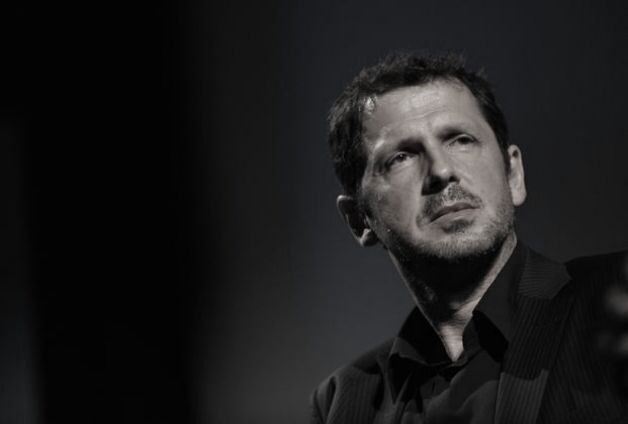
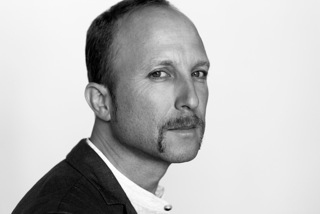
You’ve no doubt heard the claim that "A poet needs a pen, a painter a brush, and a filmmaker an army." Well, with the advent of AI-generated film, we’re approaching the time when a filmmaker just needs to sit at their computer and get access to AI to make their film. You may be able to “write” your entire film the way you can write a script - creating “performers”, action and location, alone with your computer. We’re not there yet - but this course will help you see where we are now. This intensive weekend workshop will take you through the complete pipeline of AI-assisted filmmaking, from initial concept to finished production. By the end of this course, you will have created your first pieces of AI-generated video and gained hands-on experience with the latest cutting-edge AI image and video tools currently available. Are AI tools perfect? No. Things which are easy to film - two people speaking in a room - can be very hard or impossible to do well in AI. By contrast, things that are very hard to film for real - a 19th century dock scene with working steam trains and tall sailing ships - can be done very easily in AI. You’re not making a film in five years’ time - you’re making a film now. So we will show you what you need to know now, warts and all. Do you need technical skills to participate? No. But it is helpful if you have some basic familiarity with using AI. We will focus on accessible tools that are easy to use for non-technical people, not complex systems requiring coding experience. You will have the chance not only to learn these cutting-edge techniques but also to interact in a very direct way, as the group will have up to 25 participants, making it highly practical and interactive. The workshop will be hands-on, with participants working on their own material throughout the weekend. Depending on the scale and complexity of your vision, you may not complete your short film by the end of the workshop, but you will have the knowledge you need to continue independently. WORKSHOP CURRICULUM PRE-WORKSHOP: SCRIPT DEVELOPMENT Two weeks before the in-person course, we conduct a 1-hour Zoom call exploring how to use an AI system for scriptwriting and development, including ways to shape the writing style and improve creative output. We’ll also look at successful AI films and current limitations to help you prepare your script in advance. FOUNDATIONS: PROMPTING AND IMAGE GENERATION Using an LLM to help generate advanced prompts for image creation. Fundamentals of creating compelling images from text. Understanding the strengths, limitations and quality-control issues of AI image generation. Considering your "shooting ratio" - how many images you may need to create to get the one you really want. CHARACTER CONSISTENCY AND VIDEO GENERATION Building character consistency across multiple angles and shots. Creating character libraries. Generating video from still images and text. Managing challenges with voice, continuity and performance control. Understanding video "shooting ratio" and costs. ENHANCEMENT AND POST-PRODUCTION Refining and improving AI-generated images and video. Making footage feel more realistic and production-ready. Preparing material for further video generation and editing. Understanding the critical importance of human oversight in the edit, and why AI systems still give imperfect results that need human judgement. FINISHING AND MUSIC Adding music and sound. Final editing and delivery considerations. ETHICS AND POLITICS: AI AS A HISTORICAL MILESTONE AI represents a major milestone in human history which will have a major impact on all our lives. AI films are very unpopular with some people - so if you describe yourself as an AI filmmaker, you will likely be challenged about AI ethics. We won’t push a particular viewpoint, but we will explore the key questions so you can articulate your own position on these issues. SUBSCRIPTIONS To get the most from this workshop, participants should be prepared to subscribe to suitable AI image and video services. We may also provide shared access to certain tools during the workshop where appropriate. ABOUT MARTIN PERCY Martin Percy is a British director celebrated for his pioneering work in interactive cinema, virtual reality, and the creative use of artificial intelligence in film. A graduate of King’s College, Cambridge, Percy has built a career defined by experimentation with new forms of storytelling that actively involve the audience, merging narrative, technology, and participation.

His breakthrough came with Lifesaver (2012), an interactive crisis simulator that won a Grand Clio Award, a Webby Award, and received a BAFTA nomination. The project, which featured Daisy Ridley in her first professional role, established Percy as a leading figure in interactive film. He later expanded this format with Heart Class (2019), which won an Emmy in the United States, and CardiacCrash (2023), a Canadian project that won three Webby Awards and was nominated for the Canadian Screen Awards.

Percy has collaborated with some of the most respected institutions in the world, including the Tate Modern, the British Film Institute, the National Theatre, and the Asian Art Museum of San Francisco. His projects have often brought together acclaimed actors such as Sir Ian McKellen, Sir Derek Jacobi, and Daisy Ridley, combining high-profile talent with cutting-edge interactive design. His VR project Virry VR (2017), filmed at Lewa Wildlife Conservancy in Kenya, received both BAFTA and Webby recognition and reinforced his reputation as a leading innovator in immersive media.

In recent years, Percy has increasingly integrated artificial intelligence into his practice, creating works that adapt to the user’s emotions, decisions, and interactions. Projects such as AI Basics: Thrills or Chills (2023) and the Adaptive-Media Interview Coach exemplify his commitment to exploring how AI can reshape creative expression and audience engagement. His TEDx talk, How to Save Lives with Interactive Film, highlighted his dedication to using new technologies not just for storytelling, but also for education and social impact. Throughout his career, Martin Percy has been recognised with a BAFTA, an Emmy, a Grand Clio, and more than a dozen Webby Awards. His work stands at the intersection of creativity and innovation, continually pushing the boundaries of how stories can be told and experienced.

PROFILE OF PARTICIPANT
This workshop is designed for Directors, Producers, Content Creators, Digital Artists, and filmmakers interested in exploring the cutting-edge intersection of artificial intelligence and filmmaking. The workshop is also suitable for traditional filmmakers curious about integrating AI tools into their existing workflows, as well as technologists interested in creative applications of AI. WORKSHOP LOCATION Berlin, Germany Duration: 2 days 10:00 - 18:00 Dates: 13th - 14th of June 2026 Location: Berlin, Germany Price: 599EUR (399EUR Until 11th of June) Maximum number of participants: 25 Please add our address to your email safe senders list, address book or contact list to avoid FEST e-mails in spam. REGISTER FOR THIS WORKSHOP ON THE LINK BELOW By registering to the workshop you agree with FFL terms and Conditions
26/27.09.2026Amsterdam, Netherlands
INTIMACY COORDINATION FOR FILM TV WORKSHOP WITH DAVID THACKERAY

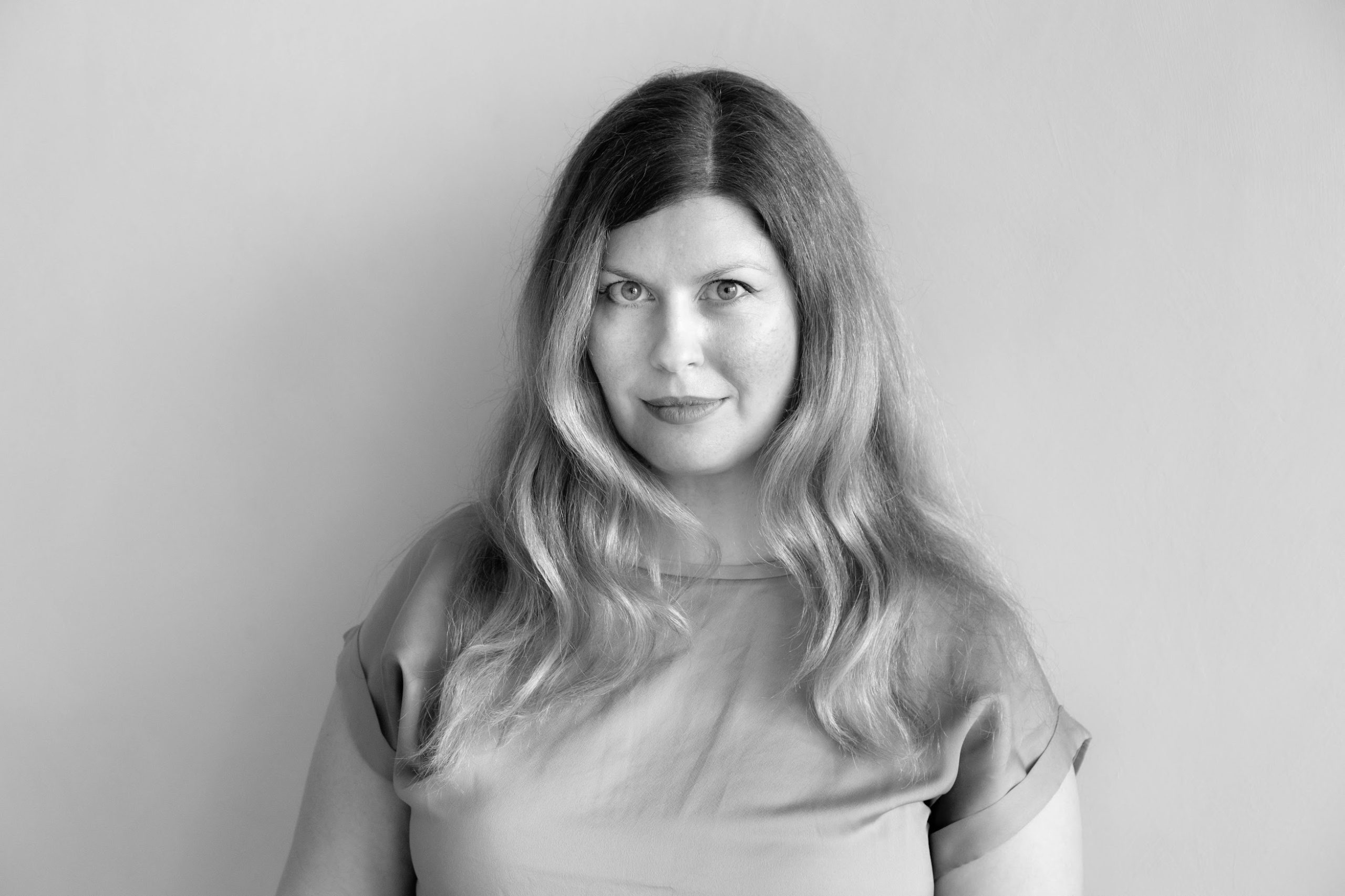
ABOUT DAVID THACKERAY David Thackeray is an experienced Intimacy Coordinator. After training as an actor for five years and graduating from The Royal Central School of Speech and Drama, David transitioned into directing for stage, with one of his productions receiving critical acclaim and a transfer to London’s West End. His passion for storytelling soon led him into film and television, where he directed and produced an episode of Amazon Prime's Silent Eye. In 2017, David became one of the pioneering Intimacy Coordinators, a field that was still emerging at the time. He quickly established himself in the industry, working on a diverse range of high-profile productions across major platforms including Netflix, Disney, HBO, BBC, and Sky. His expertise has been integral to ensuring safe and respectful environments during the filming of intimate scenes, making him a sought-after professional in this area. David’s notable projects include the acclaimed TV series Sex Education (2020–2023), where he worked as an Intimacy Coordinator across 24 episodes, helping to navigate the show’s complex and sensitive themes. He also contributed to the global phenomenon Heartstopper (2022–2023), ensuring the portrayal of intimacy was both authentic and considerate across 16 episodes. His work on The Crown (2022) further cemented his reputation, bringing his expertise to one of the most watched and critically acclaimed series of the decade. David's recent projects include high-profile productions like The White Lotus (2022), Adolescence (2025), The Continental (2023), and Kaos (2024). He has also worked on upcoming titles like The Radleys (2024) and 3 Body Problem (2024), demonstrating his ongoing commitment to elevating the standards of intimacy coordination in the industry. His work is a testament to the importance of safety, respect, and collaboration in film and television, making him an invaluable asset to any production. David Thackeray experience speaks for itself and guarantees the high standards our participants have come to expect from FEST FILM LAB. WORKSHOP DESCRIPTION This intensive 2-day workshop on Intimacy Coordination for Film and TV offers a thorough exploration of the essential practices and techniques required to effectively manage intimate scenes on set. The workshop aims to equip participants with the knowledge and skills to ensure the safety, comfort, and creative freedom of all involved, while maintaining the highest standards of professionalism. Throughout the workshop there will be practical exercises for us to explore best practice of intimacy coordinating. Day 1: Understanding Intimacy Coordination Morning Session: Fundamentals of Intimacy Coordination Introduction to Intimacy Coordination: Learn about the role and responsibilities of an intimacy coordinator and why this position is crucial in today’s film and television industry. Creating a Safe Environment: Techniques and best practices for establishing a secure and respectful environment for actors during intimate scenes. Pre-Production Planning: How to integrate intimacy coordination into your pre production processes, including script analysis, casting, and rehearsals. Risk Management: Identifying and mitigating risks associated with intimate scenes, including legal and ethical considerations. Working with Actors: Techniques for building trust and ensuring actors feel safe and respected. Afternoon Session: Analysis of case studies Communication Strategies: Exploring effective communication strategies to ensure clear consent and comfort levels among actors and crew. Tools and Methodologies: Introduction to the various tools and methodologies used to ensure realistic yet safe portrayals of intimacy. Case Study : "Sex Education" Analysis of Intimate Scenes: An in-depth look at how intimacy coordination was crucial in the production of "Sex Education," examining the processes and challenges faced in choreographing intimate scenes. Lessons Learned: Discuss the outcomes and feedback from both the cast and crew on the implemented intimacy protocols. Case Study 2: "Industry HBO" Behind-the-Scenes: A breakdown of the intimacy coordination for "Industry," focusing on specific scenes and the strategies employed to address challenges. Impact Assessment: Evaluating the positive impact of intimacy coordination on the actors' performances and the overall production quality. Case Study 3: "3 Body Problem" Scene Analysis: Analyzing the intimate scene in "3 body problem" and the meticulous planning and coordination that ensured their success. Coordinator’s Perspective: Insights from the intimacy coordinator on the set about the complexities and solutions implemented. Day 2: Implementing Intimacy Coordination Morning Session: Practical Implementation Choreographing Intimate Scenes Detailed insights into choreographing intimate scenes, including the physical, emotional, and psychological aspects to consider. Live Demonstrations: Practical demonstrations of choreographing intimate scenes, allowing participants to observe and understand the coordinator's role in real-time. Interactive Exercises: Hands-on exercises where participants will develop and present their intimacy coordination plans for hypothetical scenes. Afternoon Session: Review Feedback and Discussion: Group discussions and feedback sessions to refine participants’ plans and address any questions or concerns. Conclusion: Moving Forward with Confidence Integrating Practices: Strategies for integrating intimacy coordination into your future projects to enhance actor safety and production quality. This workshop is an invaluable opportunity for producers and directors to deepen their understanding of intimacy coordination, ensuring that their projects are conducted with the highest levels of professionalism and respect for all involved. Participating in this workshop does not automatically qualify you to begin working as an intimacy coordinator. PROFILE OF PARTICIPANT The workshop designed for, Directors, Producers, Actors, Movement coordinators or filmmakers serious about a career in the Film Industry on the area WORKSHOP LOCATION Amsterdam, Netherlands Duration: 2 days 10:00 - 18:00 Dates: 26th - 27th of September 2026 Location: Amsterdam, Netherlands Price: 599EUR (429EUR Until 28th of May) Maximum number of participants: 25 By registering to the workshop you agree with FFL terms and Conditions Please add our address to your email safe senders list, address book or contact list to avoid FEST e-mails in spam. REGISTER FOR THIS WORKSHOP ON THE LINK BELOW

03/04.10.2026Madrid, Spain
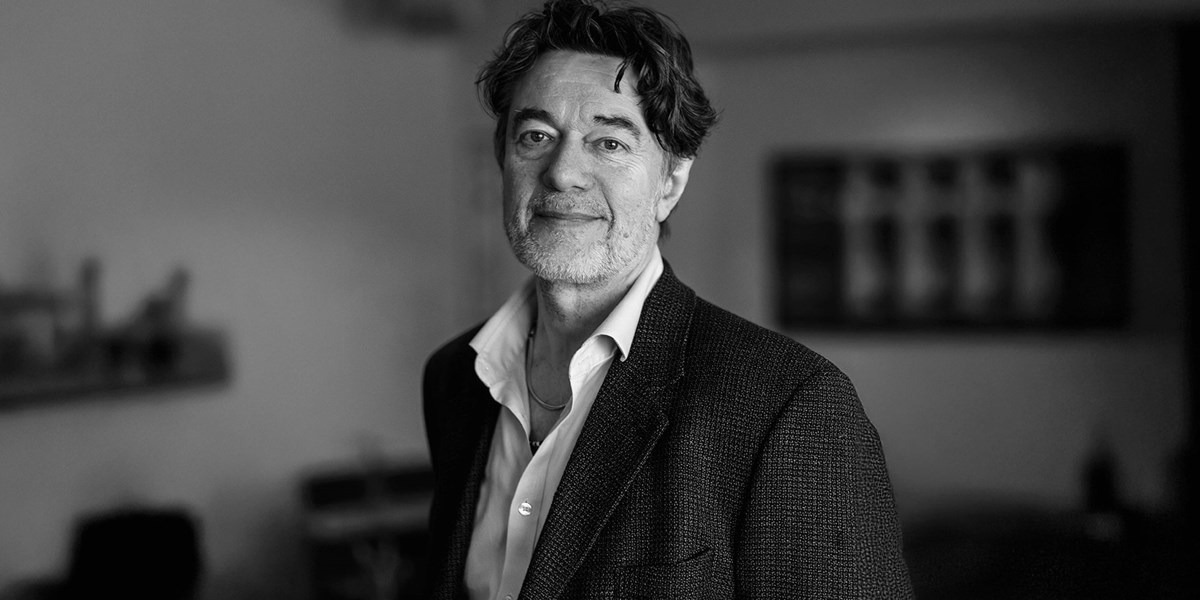
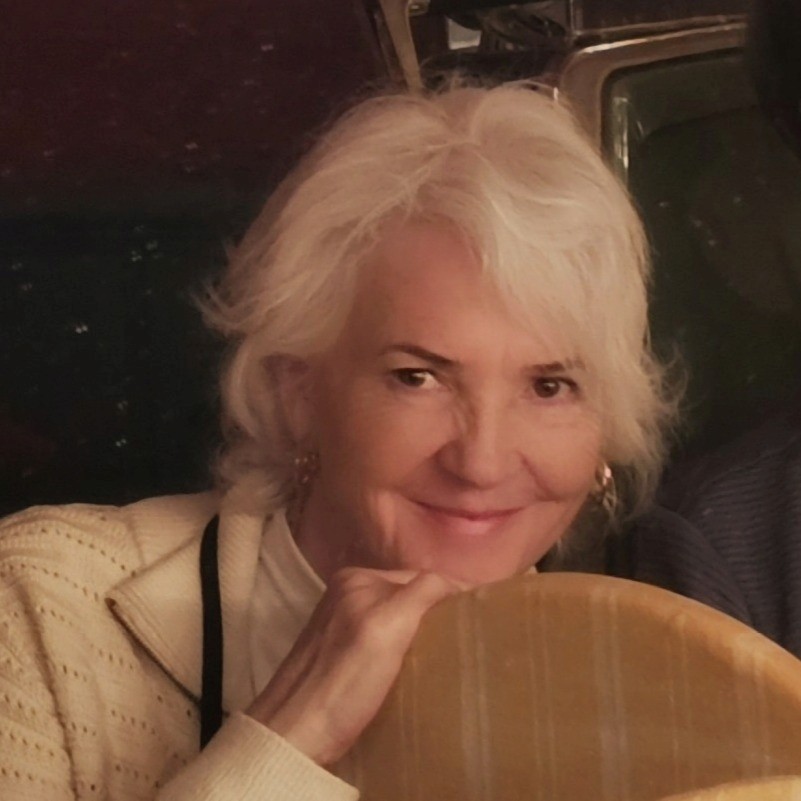
CINEMATOGRAPHY WORKSHOP WITH PHILIPPE ROUSSELOT Visual Language, Light & the Art of Cinematic Presence ABOUT PHILIPPE ROUSSELOT Philippe Rousselot, ASC, AFC is an Academy Award winning cinematographer, BAFTA winner, three-time César Award winner, and one of the most significant cinematographers in contemporary cinema. Across a career spanning more than five decades, he has helped shape the visual identity of landmark films, Early in his career, he worked as an assistant to the legendary cinematographer Néstor Almendros on films directed by Éric Rohmer, including My Night at Maud’s, Claire’s Knee, and Chloe in the Afternoon. Rousselot’s work quickly expanded into major international cinema. He photographed John Boorman’s Hope and Glory, earning an Academy Award nomination for Best Cinematography and winning the British Society of Cinematographers Award. The film itself became one of the most acclaimed British films of the period, receiving multiple Academy Award nominations including Best Picture, Best Director, Best Original Screenplay, and Best Cinematography. His collaboration with Stephen Frears on Dangerous Liaisons further consolidated his standing as one of the leading cinematographers of his generation. The film was nominated for seven Academy Awards. Rousselot’s cinematography was nominated by the American Society of Cinematographers, and he also received a BAFTA nomination for Best Cinematography for the film. In 1990, Rousselot received another Oscar nomination for Best Cinematography for Philip Kaufman’s Henry & June, before winning the Oscar for Best Cinematography for Robert Redford’s A River Runs Through It. His work with Neil Jordan on Interview with the Vampire remains one of the most visually memorable achievements in modern gothic cinema. Rousselot won the BAFTA Award for Best Cinematography for the film, as well as a British Society of Cinematographers Award, demonstrating his extraordinary ability to combine atmosphere, spectacle, darkness, and emotional presence. Throughout the 1990s and 2000s, Rousselot continued to move between European auteur cinema and major international productions. He photographed Patrice Chéreau’s La Reine Margot, for which he won his third César Award for Best Cinematography; Miloš Forman’s The People vs. Larry Flynt; Neil Jordan’s The Miracle and The Brave One; and Stephen Frears’ Mary Reilly; Sydney Pollack’s Random Hearts. His filmography shows a remarkable breadth of collaboration across directors, genres, countries, and production scales. With Tim Burton, he photographed Planet of the Apes, Big Fish, and Charlie and the Chocolate Factory, contributing to some of Burton’s visually imaginative productions. He later worked with Guy Ritchie on Sherlock Holmes and Sherlock Holmes: A Game of Shadows, and with David Yates on Fantastic Beasts and Where to Find Them and Fantastic Beasts: The Crimes of Grindelwald. Over the course of his career, Rousselot has worked with filmmakers including Robert Redford, Tim Burton, Guy Ritchie, Stephen Frears, Patrice Chéreau, Neil Jordan, Shane Black, Miloš Forman, David Yates, Denzel Washington, John Boorman, Jean-Jacques Annaud, Jean-Jacques Beineix, Philip Kaufman, and Sydney Pollack. He is known for developing and refining expressive soft-light techniques, including the use of Chinese lanterns mounted on booms to create a moving, naturalistic source that follows actors. His work has influenced how filmmakers think about colour, atmosphere, period light, actor-centred lighting, fantasy worlds, and visual storytelling across radically different cinematic contexts. WORKSHOP DESCRIPTION CINEMATOGRAPHY WORKSHOP WITH PHILIPPE ROUSSELOT Visual Language, Light & the Art of Cinematic Presence OVERVIEW This two-day intensive workshop with Academy Award–winning cinematographer Philippe Rousselot explores cinematography as a language. Rather than a technical masterclass, the workshop focuses on decision-making: why we light the way we do, why we move the camera, why we choose restraint or boldness and how visual choices serve story, performance and atmosphere. Philippe will examine the evolution of his visual thinking across different genres, directors and production scales. DAY 1 – SEEING, CHOOSING, COMPOSING SESSION 1 – The Cinematographer’s Eye Topics that may be explored: How does a cinematographer “see” a script? Translating emotion into visual strategy When to intervene, when to step back Trusting instinct vs. overplanning The relationship between light and narrative tone Discussion of early career evolution and visual identity formation. SESSION 2 – Case Study Block I Visual Tone & Atmosphere Exploration themes: Creating atmosphere without excess Naturalism vs stylisation Working with candlelight and period lighting Balancing romanticism with realism Texture, shadow, restraint Visual breakdown of selected scenes. SESSION 3 – Collaboration with Directors Topics: The first conversation with a director Establishing a shared visual language Navigating disagreement Working with strong visual auteurs Adapting to different directing personalities Discussion of how visual strategy shifts depending on directorial temperament. SESSION 4 – Light as Emotional Architecture Deep dive into: Shaping faces Controlling contrast Sculpting space Light and psychological depth Simplicity vs complexity in lighting setups Discussion of working with natural light vs fully controlled sets. DAY 2 – MOVEMENT, RISK & EVOLUTION SESSION 5 – Camera Movement & Rhythm Topics: When should the camera move? Movement as emotional punctuation Invisible camera vs expressive camera Long takes vs fragmentation Working with actors in motion SESSION 6 – Scale & Adaptability How cinematography changes across: Intimate drama Large studio productions Action-driven narratives Fantasy and heightened realities Discussion of working within: Budget constraints Studio expectations Evolving digital technologies SESSION 7 – The Evolution of Cinematography Topics: From film to digital What has changed — and what has not Modern tools vs timeless principles The danger of over-technical thinking Maintaining artistic integrity in contemporary cinema Open reflection on the industry’s visual evolution. PROFILE OF PARTICIPANT The workshop is designed for cinematographers, directors, camera operators, film students, visual artists, photographers, and filmmakers who want to deepen their understanding of cinematography as a creative and narrative language. It is particularly suited for professionals interested in visual storytelling, lighting, composition, camera movement, collaboration with directors, and the relationship between image, atmosphere, performance and emotion. WORKSHOP LOCATION Madrid, Spain Duration: 2 days 10:00 - 18:00 Dates: 3rd - 4th of October 2026 Location: Madrid, Spain Price: 599EUR (429EUR Until 9th of June) Maximum number of participants: 25 By registering to the workshop you agree with FFL terms and Conditions Please add our address to your email safe senders list, address book or contact list to avoid FEST e-mails in spam. REGISTER FOR THIS WORKSHOP ON THE LINK BELOW
21/24.04.2026Online
FILM DIRECTING WORKSHOP WITH PETER WEBBER

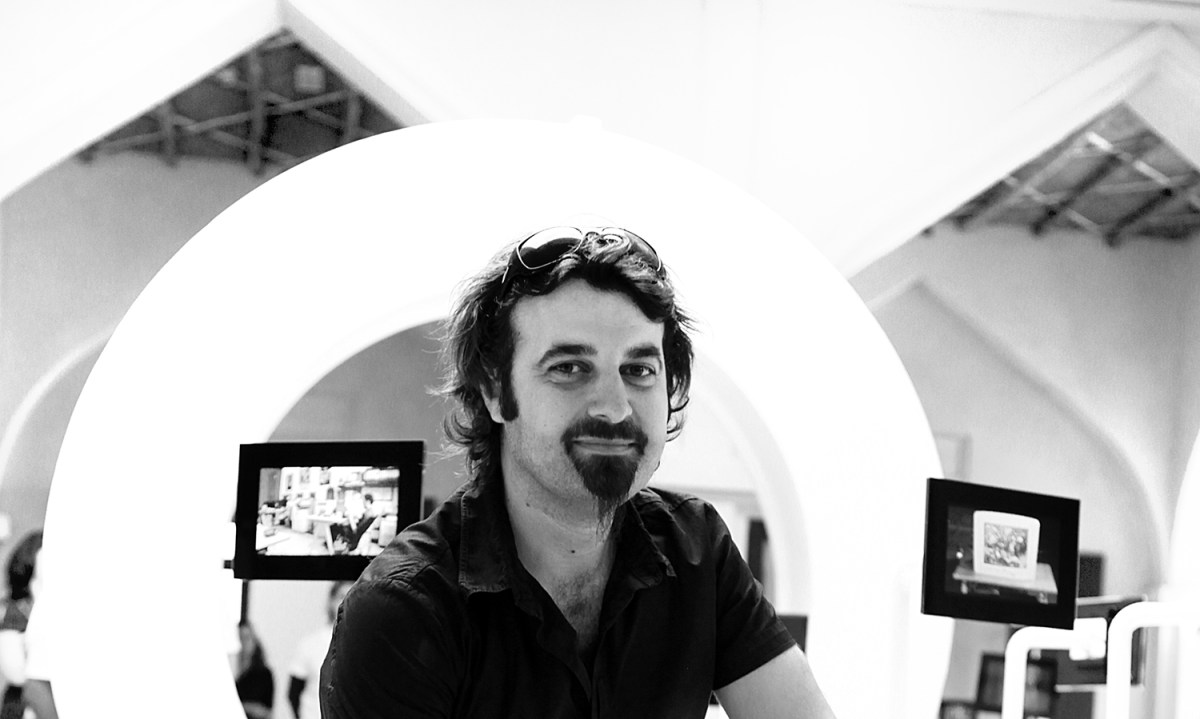
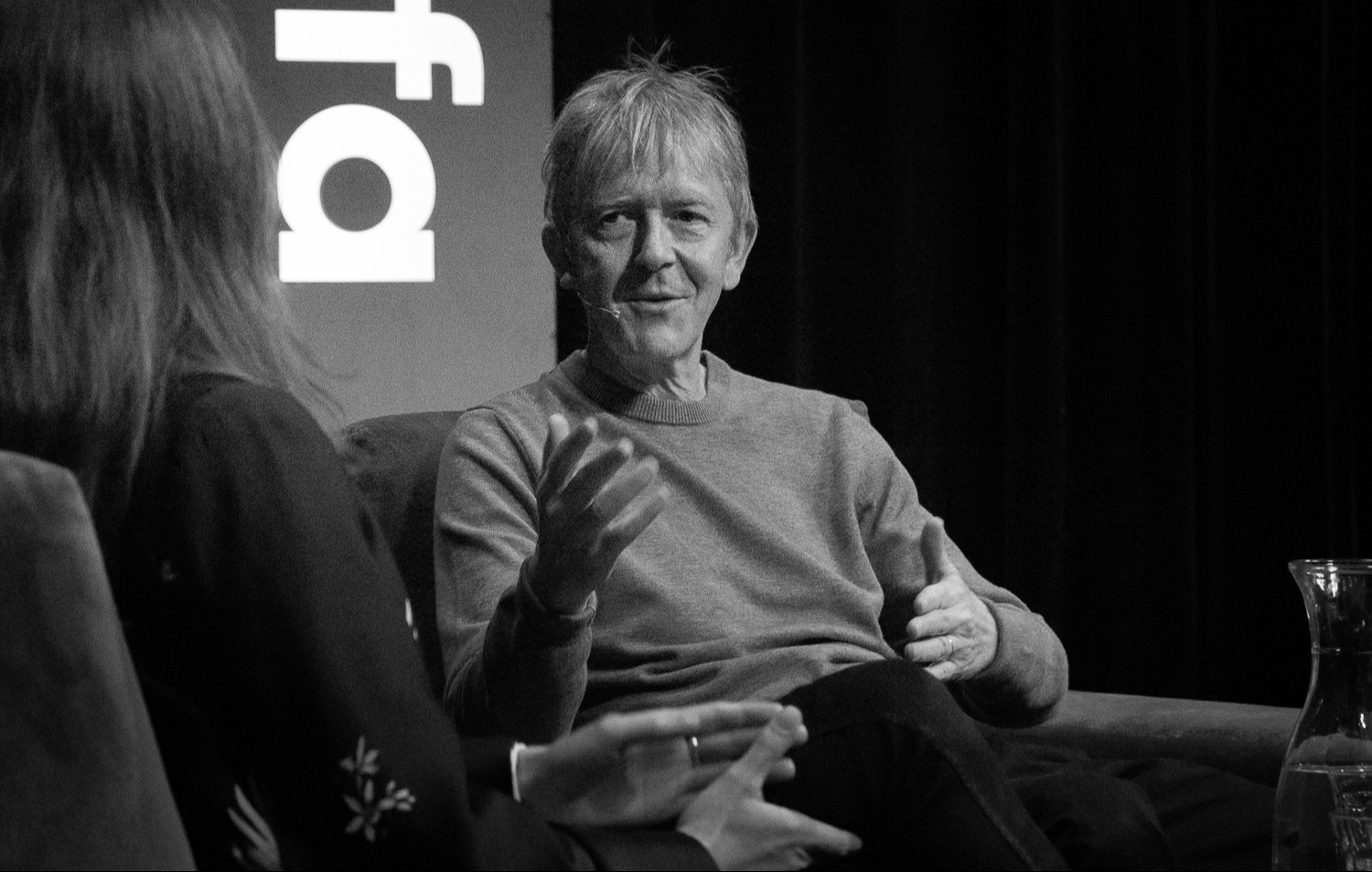
ABOUT PETER WEBBER Peter Webber has had a diverse career as a director of film, television and documentaries including the critically renowned ˜Girl with a Pearl Earring™ and the HBO series "Six Feet Under". Peter is perhaps best known for his film directorial debut ˜Girl With a Pearl Earring", the film adaptation of Tracey Chevalier's bestselling novel. The film tells the story of the creation of the famous painting by Dutch master Johannes Vermeer of the same name. The film saw Peter directing Scarlett Johansson and Colin Firth as the films leads. Released in 2004 the film went on to be nominated for no less than 3 Academy Awards, 10 BAFTA nominations as well as numerous other honours. Webber was then tapped by Dino de Laurentis to direct "Hannibal Rising". Based on Thomas Harris upcoming new book of the same name, and starring Gaspard Ulliel, Li Gong and Anthony Hopkins, In 2012 Peter directed the Feature Film "Emperor", Starring Tommy Lee Jones, and Mathew Fox. Peter has also directed the Netflix Original Pickpockets (2018). His documentary work includes the award-winning environmental feature documentary Ten Billion (2015) and Earth: One Amazing Day (2017), narrated by Robert Redford and Jackie Chan. Webber's most recent productions include the "Kingdoms of Fire" (2019), television series, which takes viewers back to the past as the Ottoman Empire seeks to conquer Cairo, as well as the documentary "Inna de Yard" (2019), a portrait of the pioneers of reggae music in Jamaica Peter Weber's experience speaks for itself and guarantees the high standards our participants have come to expect from FEST FILM LAB. WORKSHOP DESCRIPTION Pete Webber's workshop will focus on a diversity of topics relating to the art of directing for film. You will have the chance to not only receive this knowledge from a very revered professional, but also to interact strongly, as the group will have up to 25 participants, making it extremely practical and interactive. You will also have the opportunity to assess the issues you encountered on your films, and receive the feedback to unblock situations in the future. The workshop will also cover the following: - THE ESSENCE OF THE CRAFT - Film History is your friend; Developing a hinterland; Auteur versus Industry – the realities of the business; DIY - low budget approaches; The writer/director conundrum; The genius myth; Understanding your abilities. - GETTING THERE - Looking at the steps before you go into production; The development process; Raising finance; Producers and writers; Hollywood versus Europe; Agents/managers/lawyers; The One Hour Meeting. - PREPPING - Aesthetic overview – the look and the story; Crewing up; Casting and auditioning; Location hunting; Rehearsing/working with actors before the shoot; Storyboarding; How to work with: Art department; Costume; Camera; Assistant directors; Planning for Digital VFX. - SHOOTING - The politics – picking your battles; The fear; Planning your day; Blocking the scene; Shotlists; Storyboards on set; Shooting strategy; Blocking the scene; The Master shot trap; The second unit. - POST PRODUCTION - Working with an editor; Digital VFX in post; Guide music; Working with a composer; Test screenings; ADR; Sound Design; Grading; The final sound mix; Test screenings. - INTO THE WORLD - Film Festivals; The Press; The Internet and Social Media. PROFILE OF PARTICIPANT The workshop designed for Directors, Film Students, and filmmakers serious about a career in the Film Business on the area of Film and TV Directing. WORKSHOP LOCATION The workshop will take place online, FEST FILM LAB has always been a project of high level knowledge sharing and networking. -The workshop group will have a limited number of 25 participants. - We will maintain the tailor made aspects, with the possibility of troubleshooting projects you have been involved or challenges you are facing. We will introduce new tools to enhance the interactivity between participants. - We have rearranged the session of the workshop that will take place on 4 days instead of the typical 2 days, so that the workshop is less overwhelming, as the typical two full days online would impact the capacities of the participants to retain the learning outcomes. 16 hours Duration: 4 days Dates: 21st to the 24th of April 2026 1PM - 5PM (London) 2AM - 6PM (Brussels) 4PM - 8PM (Dubai) 8AM - 12PM (New York) 8PM - 12AM (Beijing) 6:30PM - 10:30PM (New Delhi) 9AM - 1PM (Rio de Janeiro) 10PM - 2AM (Sydney) Location: Online Price: 599EUR (374EUR with 40% Discount until the 20th of April) Maximum number of participants: 25 By registering to the workshop you agree with FFL terms and Conditions Please add our address to your email safe senders list, address book or contact list to avoid FEST e-mails in spam. REGISTER FOR THIS WORKSHOP ON THE LINK BELOW:

24/27.03.2026Online
INSIDE THE PRODUCER’S MIND: DECISION-MAKING, COLLABORATION & LEADERSHIP IN MODERN FILMMAKING WORKSHOP WITH IAIN SMITH

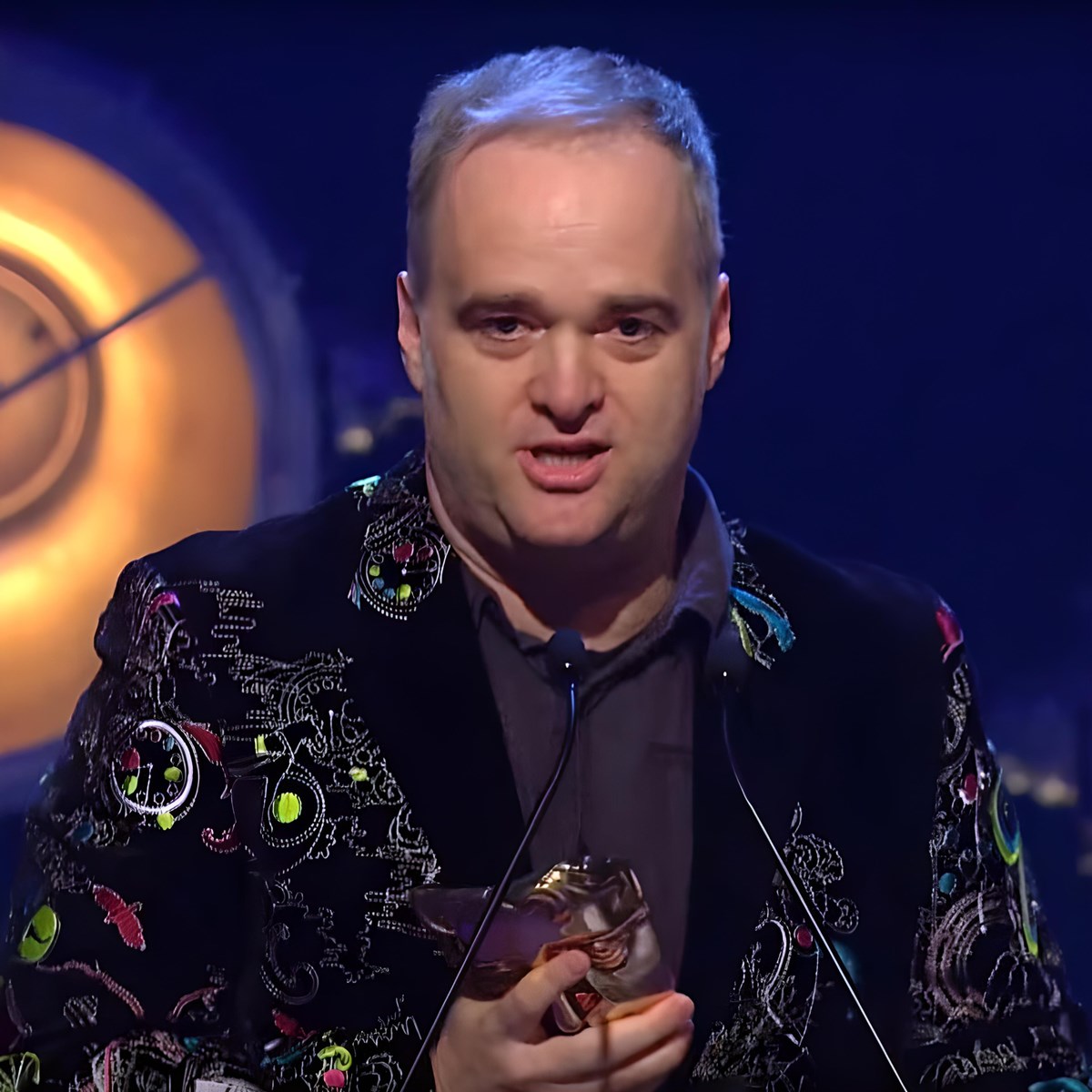
WORKSHOP DESCRIPTION In the complex world of modern filmmaking, the producer stands at the centre of every creative, financial, and logistical decision. But what truly defines the work of a great producer? How are decisive choices made in moments of uncertainty? How do you build teams, guide directors, navigate studios, manage risk, and protect the creative vision while ensuring the project is delivered? In this immersive FEST FILM LAB workshop, producer Iain Smith invites participants into the inner workings of his process, how he thinks, how he collaborates, and how he leads at every stage of a film’s life. Through open conversation, real-world examples, and Iain’s direct reflections on his own methods, the sessions will examine: Key Themes How a producer thinks: shaping decisions under pressure, developing good judgement, and balancing instinct with experience. Leadership in filmmaking: managing teams, setting the tone on a production, and creating the conditions for great creative work. Creative collaboration: working with directors, writers, actors, studio executives and financiers in a way that supports the project’s vision. Managing scale: what changes—and what doesn’t—when producing large, complex films versus independent projects. Problem-solving as an art: navigating crises, conflicts, and unexpected challenges, and turning them into opportunities. Building trust: establishing credibility, maintaining transparent communication, and fostering long-term creative relationships. Protecting the film: understanding when to push, when to compromise, and how to keep the project on course from development to final delivery.l. Whether you are already producing films or transitioning into a more leadership-oriented role within your projects, this workshop offers a great opportunity to step inside the mind of an internationally respected producer and understand the craft from the inside out, how decisions are made, how challenges are solved, and how films are shaped through the intelligence, sensitivity, and judgement of the producer. Four-Session Structure: SESSION 1 — The Producer’s Mindset: Judgement, Vision & Early Decision-Making Core focus: How a producer thinks, makes decisions, and identifies a project’s potential. Topics What a producer really does: from creative architect to strategic diplomat Developing instinct and judgement: how producers read people, material, and situations Understanding the DNA of a project Packaging creatively: talent, genre, scope, ambition Navigating uncertainty: risk, opportunity, momentum Choosing collaborators and identifying strengths in early development Common early-stage pitfalls and how to avoid them Case Studies The Fifth Element (1997): How early creative decisions shaped visual ambition and production scale. Children of Men (2006): Assessing the risk and reward of a bold creative vision and how the decision to support that vision influenced every department. Mad Max: Fury Road (2015): Understanding long-term commitment and project resilience even before production begins. SESSION 2 — Creative Collaboration: Directors, Writers, Actors & Key Departments Core focus: The producer as a collaborator, bridge-builder, and mediator. Topics Building trust with directors and writers Guiding the story without overstepping Supporting performances: the subtle producer–actor relationship Harmonising creative perspectives among departments Reading creative conflict and turning it into momentum The producer as the guardian of tone and intention Communication frameworks that keep teams aligned Case Studies Children of Men — collaboration with Alfonso Cuarón: aligning creative clarity across cinematography, production design, and long-take choreography. Wanted (2008): Navigating director, cast, and studio expectations on a stylised action film. Actor-led challenges: anonymised or general examples of how producers support actors through demanding material, scheduling pressure, or preparation needs. SESSION 3 — Leadership in Action: Managing Scale, Teams & Crises Core focus: Leadership under pressure, real-world problem solving, and navigating complexity. Topics Leadership styles in filmmaking Protecting morale and communication on set Scaling production: indie vs. blockbuster Making decisions under pressure: clarity, timing, responsibility Crisis management: weather, budget, safety, studio politics Working with international partners and multi-country shoots Maintaining control while empowering teams Case Studies The Fifth Element — managing an ambitious production with complex sets and visual effects. Mad Max: Fury Road — extreme-location filmmaking: environmental challenges, stamina, and production resilience. International Co-Productions: logistical, cultural, and financial lessons learned across continents. Participant reflection exercise “What was the hardest day you ever had on a shoot?” followed by group analysis. SESSION 4 — Protecting the Film: From Development to Delivery & Sustaining a Caree Core focus: How producers safeguard projects, shape outcomes, and navigate industry realities. Topics Keeping the film’s core vision alive from prep to post When to compromise, when to stand firm Balancing creative demands and commercial realities Working with distributors, studios, and festival strategies The afterlife of a film: marketing, awards, audience positioning Long-term career sustainability: reputation, collaborators, and reinvention Understanding your value as a producer Case Studies Festival & awards trajectories from Iain’s films: how strategy influences visibility and longevity. Creative recovery stories: moments when a film could have gone wrong, and how producing choices changed the outcome. Lessons learned across decades: how the industry evolves and how producers evolve with it. ABOUT IAIN SMITH Iain Smith OBE is one of the most distinguished and influential film producers working in international cinema, with a career spanning more than four decades. His work has been recognised with a BAFTA Scotland Award for Outstanding Achievement in Film and with appointment as Officer of the Order of the British Empire (OBE) for services to film. Films produced by Smith have received Academy Award nominations, won major international prizes, and achieved worldwide box-office success. Among the most celebrated films he has produced are Mad Max: Fury Road (2015), Children of Men (2006), The Fifth Element (1997), Cold Mountain (2003), The Fountain (2006), Seven Years in Tibet (1997), Entrapment (1999), Alexander (2004), and Wanted (2008). These productions, often realised on a large international scale, are widely studied for their creative ambition, logistical complexity, and bold artistic vision. Iain Smith began his career working across multiple departments, before returning to Scotland to contribute to My Childhood, the first film in Bill Douglas’s landmark BFI-backed trilogy. In the late 1970s, Smith formed his first production company and quickly established himself. He production-managed Bertrand Tavernier’s Death Watch (starring Romy Schneider and Harvey Keitel) and soon after joined David Puttnam and Hugh Hudson on Chariots of Fire, one of the most celebrated British films ever made. Smith went on to line-produce and associate-produce several key films of the 1980s, including Local Hero (dir. Bill Forsyth), The Killing Fields and The Mission (dir. Roland Joffé), working with filmmakers and performers such as Robert De Niro, Jeremy Irons, Sam Waterston, and Haing Ngor. These films cemented his reputation as a producer capable of handling politically complex material and large-scale international shoots. In 1987, Smith founded Applecross Productions, from which he went on to produce and co-produce a wide range of major studio and independent films. His collaborations during this period included Stephen Frears (Mary Reilly), Luc Besson (The Fifth Element), Jean-Jacques Annaud (Seven Years in Tibet), Tony Scott (Spy Game), Anthony Minghella (Cold Mountain), Oliver Stone (Alexander), Darren Aronofsky (The Fountain), Alfonso Cuarón (Children of Men), and George Miller (Mad Max: Fury Road). Particularly notable is Children of Men, now regarded as a modern classic, and Mad Max: Fury Road, which went on to win six Academy Awards and is widely considered one of the greatest action films ever made. Smith served as executive producer on Mad Max: Fury Road, helping bring George Miller’s vision to the screen under extraordinary production conditions. PROFILE OF PARTICIPANT This workshop is designed for producers, directors, line producers, production managers, and advanced film students seeking deeper insight into leadership, decision-making, and collaboration in contemporary film production. 16 hours Duration: 4 days Dates: 24th to the 27th of March 2026 1PM - 5PM (London) 2AM - 6PM (Brussels) 5PM - 9PM (Dubai) 9AM - 1PM (New York) 9PM - 1AM (Beijing) 6:30PM - 10:30PM (New Delhi) 10AM - 2PM (Rio de Janeiro) 12AM - 4AM (Sydney) 6AM - 10AM (Los Angeles) Location: Online Price: 599EUR (374EUR with 35% Discount until the 16th of March) Maximum number of participants: 25 By registering to the workshop you agree with FFL terms and Conditions REGISTER FOR THIS WORKSHOP ON THE LINK BELOW: