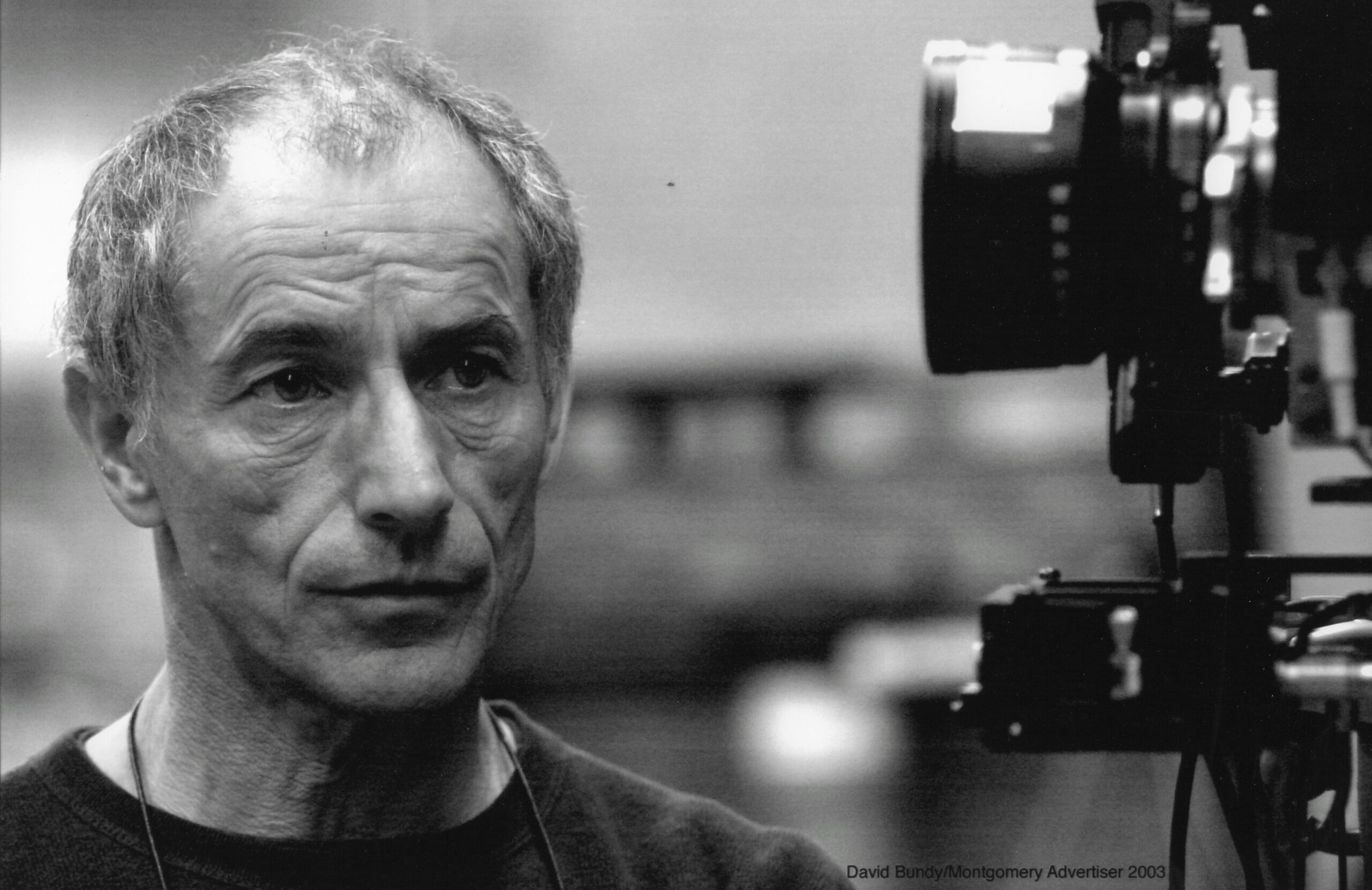
Intimacy Coordination for Film & TV Workshop with David Thackeray 26-27 September Amsterdam
PAUL MILLER Film Financing in an Entrepreneurial Age Workshop 3rd-4th October Madrid - Spain


26/27.09.2026Amsterdam, Netherlands
INTIMACY COORDINATION FOR FILM TV WORKSHOP WITH DAVID THACKERAY
WORKSHOP FULL for waiting list please email filmlab@fest.pt ABOUT DAVID THACKERAY David Thackeray is an experienced Intimacy Coordinator. After training as an actor for five years and graduating from The Royal Central School of Speech and Drama, David transitioned into directing for stage, with one of his productions receiving critical acclaim and a transfer to London’s West End. His passion for storytelling soon led him into film and television, where he directed and produced an episode of Amazon Prime's Silent Eye. In 2017, David became one of the pioneering Intimacy Coordinators, a field that was still emerging at the time. He quickly established himself in the industry, working on a diverse range of high-profile productions across major platforms including Netflix, Disney, HBO, BBC, and Sky. His expertise has been integral to ensuring safe and respectful environments during the filming of intimate scenes, making him a sought-after professional in this area. David’s notable projects include the acclaimed TV series Sex Education (2020–2023), where he worked as an Intimacy Coordinator across 24 episodes, helping to navigate the show’s complex and sensitive themes. He also contributed to the global phenomenon Heartstopper (2022–2023), ensuring the portrayal of intimacy was both authentic and considerate across 16 episodes. His work on The Crown (2022) further cemented his reputation, bringing his expertise to one of the most watched and critically acclaimed series of the decade. David's recent projects include high-profile productions like The White Lotus (2022), Adolescence (2025), The Continental (2023), and Kaos (2024). He has also worked on upcoming titles like The Radleys (2024) and 3 Body Problem (2024), demonstrating his ongoing commitment to elevating the standards of intimacy coordination in the industry. His work is a testament to the importance of safety, respect, and collaboration in film and television, making him an invaluable asset to any production. David Thackeray experience speaks for itself and guarantees the high standards our participants have come to expect from FEST FILM LAB. WORKSHOP DESCRIPTION This intensive 2-day workshop on Intimacy Coordination for Film and TV offers a thorough exploration of the essential practices and techniques required to effectively manage intimate scenes on set. The workshop aims to equip participants with the knowledge and skills to ensure the safety, comfort, and creative freedom of all involved, while maintaining the highest standards of professionalism. Throughout the workshop there will be practical exercises for us to explore best practice of intimacy coordinating. Day 1: Understanding Intimacy Coordination Morning Session: Fundamentals of Intimacy Coordination Introduction to Intimacy Coordination: Learn about the role and responsibilities of an intimacy coordinator and why this position is crucial in today’s film and television industry. Creating a Safe Environment: Techniques and best practices for establishing a secure and respectful environment for actors during intimate scenes. Pre-Production Planning: How to integrate intimacy coordination into your pre production processes, including script analysis, casting, and rehearsals. Risk Management: Identifying and mitigating risks associated with intimate scenes, including legal and ethical considerations. Working with Actors: Techniques for building trust and ensuring actors feel safe and respected. Afternoon Session: Analysis of case studies Communication Strategies: Exploring effective communication strategies to ensure clear consent and comfort levels among actors and crew. Tools and Methodologies: Introduction to the various tools and methodologies used to ensure realistic yet safe portrayals of intimacy. Case Study : "Sex Education" Analysis of Intimate Scenes: An in-depth look at how intimacy coordination was crucial in the production of "Sex Education," examining the processes and challenges faced in choreographing intimate scenes. Lessons Learned: Discuss the outcomes and feedback from both the cast and crew on the implemented intimacy protocols. Case Study 2: "Industry HBO" Behind-the-Scenes: A breakdown of the intimacy coordination for "Industry," focusing on specific scenes and the strategies employed to address challenges. Impact Assessment: Evaluating the positive impact of intimacy coordination on the actors' performances and the overall production quality. Case Study 3: "3 Body Problem" Scene Analysis: Analyzing the intimate scene in "3 body problem" and the meticulous planning and coordination that ensured their success. Coordinator’s Perspective: Insights from the intimacy coordinator on the set about the complexities and solutions implemented. Day 2: Implementing Intimacy Coordination Morning Session: Practical Implementation Choreographing Intimate Scenes Detailed insights into choreographing intimate scenes, including the physical, emotional, and psychological aspects to consider. Live Demonstrations: Practical demonstrations of choreographing intimate scenes, allowing participants to observe and understand the coordinator's role in real-time. Interactive Exercises: Hands-on exercises where participants will develop and present their intimacy coordination plans for hypothetical scenes. Afternoon Session: Review Feedback and Discussion: Group discussions and feedback sessions to refine participants’ plans and address any questions or concerns. Conclusion: Moving Forward with Confidence Integrating Practices: Strategies for integrating intimacy coordination into your future projects to enhance actor safety and production quality. This workshop is an invaluable opportunity for producers and directors to deepen their understanding of intimacy coordination, ensuring that their projects are conducted with the highest levels of professionalism and respect for all involved. Participating in this workshop does not automatically qualify you to begin working as an intimacy coordinator. PROFILE OF PARTICIPANT The workshop designed for, Directors, Producers, Actors, Movement coordinators or filmmakers serious about a career in the Film Industry on the area WORKSHOP LOCATION Amsterdam, Netherlands Duration: 2 days 10:00 - 18:00 Dates: 26th - 27th of September 2026 Location: Amsterdam, Netherlands Price: 599EUR (429EUR Until 27th of August) Maximum number of participants: 25 By registering to the workshop you agree with FFL terms and Conditions Please add our address to your email safe senders list, address book or contact list to avoid FEST e-mails in spam. WORKSHOP FULL for waiting list please email filmlab@fest.pt


03/04.10.2026Madrid, Spain
Film Financing in an Entrepreneurial Age
ABOUT PAUL MILLER
Paul Miller is a producer, executive, and consultant working in the United States, Europe, and the Middle East. He is currently Head of Film at Madrid-based ISB Films. Miller frequently produces in the Middle East; his most recent film, Norah, premiered at Un Certain Regard at Cannes 2024. Previous regional films include Scales, which won the Verona Award for Innovation at the 2019 Venice Film Festival and was the Saudi submission for the 2021 Academy Awards. From May 2012 until October 2013, Miller was Director of Film Financing at the Doha Film Institute in Qatar. He oversaw a regional education training programme, a global grants fund, and managed an international film financing fund. Prior to this, Miller produced "The Birder’s Guide to Everything" (2013), directed by Rob Meyer, and "Babygirl" (2013), written and directed by Macdara Vallely, produced with Samson Films and the Irish Film Board. During this period, he also produced the feature-length documentary "Poor Consuelo Conquers the World" (2011) with Les Films d’Ici for ARTE, and executive-produced "The Man Who Drew the Future" with Una Films and ARTE. From 2002 to 2009, Miller was Head of Film Production at Crossroads Films, where he produced "Snow Angels", released by Warner Independent Pictures in 2008. The film was written and directed by David Gordon Green and starred Sam Rockwell and Kate Beckinsale. He also produced the Golden Globe-nominated "A Love Song For Bobby Long" (2004), starring John Travolta and Scarlett Johansson, released by Lionsgate Films. Earlier in his career, Miller worked on John Sayles’ features "The Secret of Roan Inish" (1994), the Academy Award-nominated "Lone Star" (1996), and the Golden Globe-nominated "Men with Guns" (1997). He also produced "Prozac Nation" (2001), directed by Erik Skjoldbaerg and starring Christina Ricci, Jessica Lange, and Anne Heche, released by Miramax. Educated in England, Miller is a graduate of the National Film and Television School in the U.K. He is a member and consultant with Paris-based Ateliers du Cinéma Européen (A.C.E.), Europe’s premier producers' association, and a member of the Directors Guild of America and the Producers Guild of America. You can find his full list of credits on https://www.imdb.com/name/nm0589158/ WORKSHOP DESCRIPTION
The Film Financing workshop will focus on the art of producing a film in our entrepreneurial age, where the means of manufacture and distribution are in flux and where finding your audience is key. The workshop will look at the how to develop, finance and complete a movie from the viewpoint of a creative producer. The workshop won’t be looking so much at the making of a movie more about setting off on the right track and finishing ahead of the game. The workshop will be practical and interactive, with participants also having the opportunity to assess the issues they encountered on their own films, and receiving the feedback to help similar situations in the future. Participants should be prepared to discuss an unproduced project that has been previously developed by them to the point of a first draft screenplay. The project doesn't have to be an active project, just an idea that the participant can use in the workshop. The scripts will not be read or shared during the workshop. If the participant doesn't have one, then an idea that has been developed to treatment stage is also sufficient. For each film idea, the participants should also think of a director, lead cast, location, budget range and core audience.In addition, each participant should be prepared to informally pitch a recent idea based on a recent news article or event. These pitches will involve other participants role playing as potential buyers. The topics covered in the workshop: A. THE BEGININGS: Ideas: Auteur vs. Industry/Art vs. Culture/Writer-Directors, Budget/Audience Developing your Pitch: the Elevator Pitch/Longer Pitch Pitching to a writer and director, pitching to investors Partnering with another producer Logline Synopsis B. FIRST STEPS Assembling a Creative Team and making a few Key Decsions: Commissioning a Writer Choosing a Director The Filmmaking Triad: Director/Writer/Producer Hollywood vs. Europe Packaging of Talent: agents, managers and lawyers and casting directors Location of the Filming Screenplay Rights and Collaboration Agreements: Property Rights: Copyright/Chain of Title Screenplay Rights: Option/Purchase Agreements Underlying rights: articles, books, life rights, etc. Creative Team Agreements: Short Form/Long-form Contract: Director Agreement Producer Agreement Writer Agreement Producing Partnerships Development Budget Casting: Cast Lists, Casting Directors Securing Cast Actor Agreements: Major Deal Points (Upfront/Contingent Compensation, Deferments, Profit Participation: Gross vs. Net The Glory of Schedule ‘F’. C. MARKETING AND DISTRIBUTION RESEARCH AND BOX OFFICE COMPARABLES Box Office Comparables: including budget, domestic, overseas and worldwide revenue and any known ancillary revenue, year of release, distributor and maximum # of screens Marketing and Distribution Plan, Film Festivals, Distributors and Sales Agent D. FINANCING Revenue Flow -Theatrical and Ancillary Rights: Domestic and Foreign BO, Domestic and Foreign Ancillary Rights Revenue Projections ‘The Waterfall’ Estimating revenue based on Box Office: low, medium and high Budget/Financing - Financing Sources: Equity, Pre-sales, gap financing, loans and soft money E. BUSINESS PLAN How to Create a Business Plan for Your Film: Executive Summary Overview of Industry Investor Return/Deal Comparables Projections Revenue Stream ROI F. MAKING YOUR FILM BETTER AFTER THE SHOOT Post-Production Decisions: Improving the picture edit Composer, Music and Music Rights: Sync and Master Use Licenses, Rights Clearance for Publicity and Festivals, Royalty-free Music, Composer/Score, Cutting Edge) Test Screenings (friends, film professionals and NRG screenings) Deliverables G. INTO THE WORLD: MARKETING AND DISTRIBUTION Who is your audience? Precedents/Box Office Comparables Demographics: age, race, location, gender, socio-economic class, religion, education, consumer tastes, musical tastes, sports identification, hobbies, politics, occupation, exercise habits, food habits, etc. Influencers How will you reach the potential audience for your movie? Promotion: P & A Fund, Producer of Marketing and Distribution, Supporting Materials Marketing: Social Media, Press, Publicist, Website, Blogs, Word of Mouth Release Plan Film Festivals Film Markets Theatrical: Distributor or DIY Non-theatrical VOD Community Screenings Direct Selling PROFILE OF PARTICIPANT
The workshop is designed for: Film Producers, Investors, Film Financiers, Directors, and filmmakers serious about a career in the Film Business on the area of film production or film financing. WORKSHOP LOCATION Madrid, Spain 16 hours Duration: 2 days Dates: 3-4 October 2026 Location: Madrid, Spain Price: 599EUR (429EUR until 25th of August) Maximum number of participants: 25 By registering to the workshop you agree with FFL terms and Conditions Please add our address to your email safe senders list, address book or contact list to avoid FEST e-mails in spam. REGISTER FOR THIS WORKSHOP ON THE LINK BELOW:

10/11.10.2026London UK
DOCUMENTARY EDITING WORKSHOP WITH CHRIS KING
ABOUT CHRIS KING, A.C.E.
Chris King, A.C.E. is one of the most respected documentary editors working today. A BAFTA-winning editor and two-time American Cinema Editors Award winner, King has been a key creative collaborator on some of the most acclaimed documentaries of the last two decades
Chris has edited documentaries such as Senna, Amy, Exit Through the Gift Shop, Diego Maradona, All This Mayhem, Young@Heart, and Welcome to Lagos.
A major milestone in King’s career came with Senna. The film became a landmark in archive-led documentary cinema, building the life and career of Ayrton Senna into a dramatic, emotional and cinematic experience. Chris won the BAFTA Award for Best Editing for Senna, the only time in the history of the BAFTA a documentary won the Best editing award. Senna also won the BAFTA Award for Best Documentary, and became one of the defining documentary releases of its period.
King continued his collaboration with Asif Kapadia on Amy, the documentary portrait of Amy Winehouse. Edited by King, the film became one of the most awarded documentaries of the 2010s. It won the Academy Award for Best Documentary Feature, the BAFTA Award for Best Documentary, and the Grammy Award for Best Music Film. King also won the ACE Eddie Award for Best Edited Documentary. The film’s power lies on the strength of its archive, and the sensitivity of its structure, allowing the audience to gradually understand Winehouse as artist, daughter, performer, friend and public figure, while revealing the pressures surrounding her.
King’s work on Exit Through the Gift Shop, directed by Banksy, further demonstrates his ability to handle documentaries where truth, performance, authorship and ambiguity collide. The film was nominated for the Academy Award for Best Documentary Feature, became a major critical success, and won the ACE Eddie Award for Best Edited Documentary.
Chris edited Diego Maradona, a large-scale archive-driven portrait constructed from over 500 hours of never-before-seen footage from Maradona’s personal archive. The film premiered at the Cannes Film Festival.
King has contributed to a broad and distinguished range of documentary work. He edited All This Mayhem, directed by Eddie Martin, for which he won the AACTA Award for Best Editing in a Documentary. He also edited Young@Heart, directed by Stephen Walker, and Welcome to Lagos, the acclaimed BBC factual series directed by Gavin Searle, which won the BAFTA Television Award for Best Factual Series.
What makes King’s work particularly important is his command of structure. In documentary filmmaking, the film is often written in the edit, and King’s career is a masterclass in discovering narrative inside reality. His editing demonstrates how to find a story spine in overwhelming amounts of material, how to create character arcs from fragments, how to balance authenticity with dramatic momentum, and how to build emotional escalation without losing truth.
WORKSHOP DESCRIPTION
SHAPING REALITY: DOCUMENTARY EDITING WORKSHOP WITH CHRIS KING
This two-day FEST FILM LAB workshop with award–winning editor Chris King is designed for editors and filmmakers who want to refine their skills in building powerful, nuanced, and emotionally resonant documentary narratives. The sessions focus on the decision-making processes, structural strategies, and creative problem-solving techniques used at the highest level. Participants will explore how to find clarity and focus within vast amounts of material, shape narrative flow, and collaborate effectively under the demands of real-world production schedules and creative pressures.
DAY 1 – STRUCTURING AND SHAPING THE NARRATIVE
Morning: Narrative Strategy and Story Architecture
Defining the editorial approach: thematic, linear, or hybrid structures. Balancing authenticity with dramatic drive to maintain audience engagement. Identifying the essential story spine and supporting it through every sequence. Managing multi-character or multi-timeline stories without losing clarity.
Afternoon: Rhythm, Pacing, and Perspective
Building emotional arcs over the course of acts and entire films. Controlling tempo shifts to heighten tension or deepen intimacy. Using point of view as a storytelling tool to guide audience perception. Maintaining tonal and visual consistency when combining varied sources.
DAY 2 – PROBLEM-SOLVING AND ELEVATING THE EDIT
Morning: Creative and Logistical Challenges
Reconstructing narratives when key footage is missing or unusable. Recognising when the original structure no longer serves the material. Working with incomplete or contradictory information while preserving credibility. Navigating high-stakes collaboration with directors, producers, and broadcasters.
Afternoon: Fine-Tuning for Maximum Impact
Refining micro-rhythms, transitions, and scene endings for emotional precision. Using music, sound design, and silence to reinforce structure and emotion. Preparing multiple versions of the same film for different platforms and audiences. Building a final cut that balances creative vision with delivery requirements.
By the end of the workshop, participants will have a understanding for handling the creative, technical, and collaborative demands of high-level documentary editing. They will gain strategies for structuring complex stories, refining narrative flow, and making editorial decisions that elevate the emotional and cinematic power of their work.
PROFILE OF PARTICIPANT
This workshop is designed for editors, documentary filmmakers, directors, producers, assistant editors, and professionals working in factual, documentary, television, or independent cinema who want to deepen their understanding of documentary editing at a high professional level.
It is particularly suited for participants interested in story structure, archive-led storytelling, character development, rhythm, pacing, collaboration with directors, and the process of shaping complex real-life material into powerful cinematic narratives.
WORKSHOP LOCATION
London, UK
Duration: 2 days
10:00 - 18:00
Dates: 10th - 11th of October 2026
Location: London, UK
Price: 599GBP (399GBP Until 20th of August)
Maximum number of participants: 25
By registering to the workshop you agree with FFL terms and Conditions
Please add our address to your email safe senders list, address book or contact list to avoid FEST e-mails in spam.
REGISTER FOR THIS WORKSHOP ON THE LINK BELOW
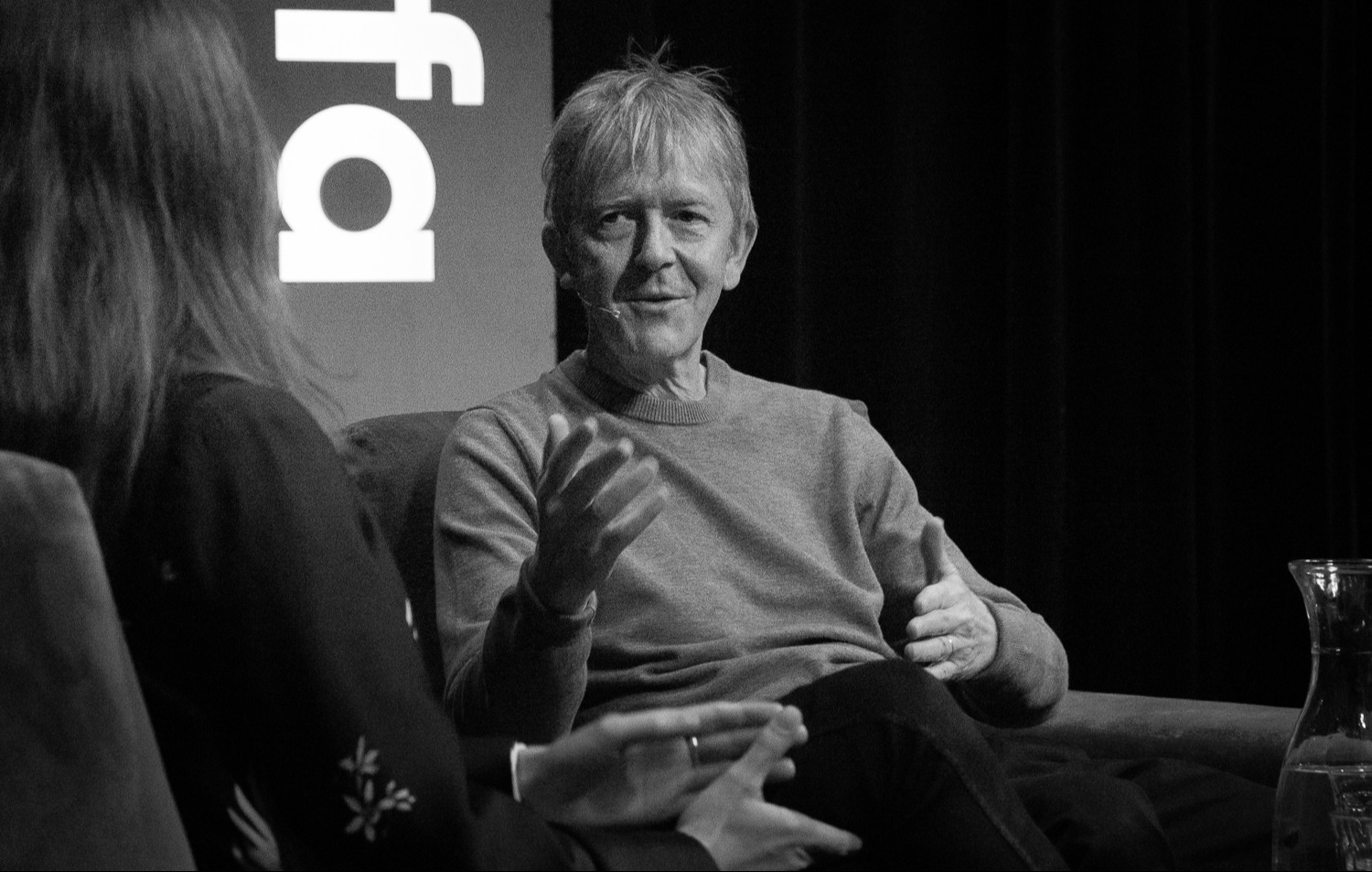
10/11.10.2026London UK
MONEY, TRANSPARENCY & CONTROL:
RETHINKING FILM REVENUE, WATERFALLS AND DATA OWNERSHIP IN THE DIGITAL AGE WITH MARIA TANJALA
WORKSHOP DESCRIPTION
In today’s film industry, one of the least transparent, yet most critical, aspects of a project is what happens after the film is made: how money flows, how revenues are collected and distributed, and how rights are tracked, managed, and ultimately understood.
For many producers, financiers, and rights holders, this remains a black box, complex, fragmented, and often opaque. While "smart accounting" raised fears among investors about tracking their returns, new paradigms and practices are being established across the global industry.
In this two-day FEST FILM LAB workshop, FilmChain co-founder Maria Tanjala offers an inside perspective into the systems, structures, and decision-making processes that shape how films generate, collect, and distribute revenue in a global market.
Drawing from her 15+ years of experience at the intersection of film, finance, and technology, Maria will guide participants through the realities of revenue flows, collection account management, and the growing role of automation and digital infrastructure in reshaping these processes. Overseeing recoupments on 300+ productions of all budgets and distributors' statements, Maria will tackle challenges and opportunities in generating returns for your stakeholders.
Her guest lecturer will complement and deepen participants' understanding of the topics.
Through real-world scenarios, exercises, case-driven discussions, and open exchange, participants will gain clarity on an area of the industry that is often misunderstood, yet fundamental to long-term sustainability and success. There will be no "wrong questions" in the room, and when playing with their finance plans and recoupments, participants are encouraged not to be afraid of making mistakes, which we can learn from.
Maria will address key relationships between financiers, sales agents, co-producers, and Guilds, terms that often delay the CAMA signing, and situations to be avoided.
KEY THEMES
How money actually flows in film: from distribution, to sales, to collections, to participants.
The hidden complexity of rights, territories, and revenue streams.
Collection account management and collection account management agreement: purpose, structure, and real-world implications.
Transparency vs. opacity in the current system.
Common mistakes producers make when structuring deals.
Working with sales agents, distributors, and financiers from a financial control perspective.
The impact of digital tools and automation on revenue tracking and reporting.
Fintech and emerging technologies: real opportunities vs. misconceptions.
Strategic thinking: how early decisions affect long-term financial outcomes.
Legal terms that everyone avoids asking what they actually mean.
Finance plans and recoupments, two sides of the same coin.
Knowing and owning your data - stay in the know!
LEARNING APPROACH
The workshop is built around discussion, real examples, and applied thinking rather than theory.
Maria and her guest will use concrete scenarios and simplified breakdowns of complex structures to help participants understand:
where money comes from.
how it moves.
where it gets lost.
and how it can be better managed.
Participants will be encouraged to bring their own projects, questions, and experiences into the conversation, helping keep the sessions grounded, practical, and directly relevant. An exercise will give participants the opportunity to learn by doing.
OUTCOME
By the end of the workshop, participants will:
Understand how revenue flows function in real-world film ecosystems.
Be able to critically assess deal structures and financial setups.
Have a good comprehension of CAMAs and legal terms used.
Understand how financial data and reports work in their favour.
Gain clarity on collection accounts and rights management.
Identify risks and inefficiencies in their own projects.
Develop a more strategic approach to financial decision-making.
Be better equipped to protect and maximise the long-term value of their work.
Understand new technologies and tools that help them streamline their workflow.
ABOUT MARIA TANJALA
Maria Tanjala is a former producer and line producer and is now co-founder of FilmChain. She is an EFA and BAFTA voting member.
Maria is passionate about improving the industry with practical solutions and is an expert in recoupments and emerging technologies.
As a co-CEO, she leads the team managing financial recoupments for hundreds of films for clients including mk2, Vuelta, Anonymous Content, WME, Hanway, Bankside, Protagonist, Film i Vast, and Eurimages.
The real-time fintech CAM, launched in 2018, is trusted by 3,500+ clients as of early 2026. Maria enjoys mentoring producers at all levels on recoupments and technologies at BIFA Springboard, Inside Pictures, ACE Network, and EPI.
PROFILE OF PARTICIPANT
This workshop is designed for professionals who want to deepen their understanding of the financial and structural side of filmmaking, including producers, executive producers, line producers, directors developing or financing projects, sales agents, financing professionals, film lawyers, business affairs executives, and filmmakers navigating rights, revenues, and deal structures.
It is particularly suited for participants working with film financing, co-production structures, sales, distribution, rights, revenues, deal structures, collection accounts, recoupment, financial reporting, and data ownership, as well as professionals who want to better understand how money moves through the film industry and how financial transparency, digital tools, and strategic decision-making can help protect and maximise the long-term value of their work.
WORKSHOP LOCATION
London, UK
Duration: 2 days
10:00 - 18:00
Dates: 10th - 11th of October 2026
Location: London, UK
Price: 599GBP (399GBP Until 14th of September)
Maximum number of participants: 25
By registering to the workshop you agree with FFL terms and Conditions.
Please add our address to your email safe senders list, address book or contact list to avoid FEST e-mails in spam.
REGISTER FOR THIS WORKSHOP ON THE LINK BELOW

10/11.10.2026London UK
SCREENWRITING FOR FILM: ADAPTATION, STRUCTURE & COLLABORATION WORKSHOP WITH PETER STRAUGHAND
WORKSHOP DESCRIPTION
SCREENWRITING FOR FILM: ADAPTATION, STRUCTURE & COLLABORATION
This intensive FEST FILM LAB workshop with screenwriter Peter Straughan is designed for writers and writer-directors who want to deepen their understanding of screenwriting as a craft shaped by adaptation, structure, and collaboration.
Drawing on his extensive experience across film and television, Peter Straughan will explore how screenplays are developed in real professional contexts—from the first encounter with source material to the final shooting draft. The workshop places particular emphasis on adaptation: how to translate novels, historical material, and real events into cinematic form while preserving emotional truth, narrative clarity, and a strong authorial voice.
Rather than focusing on formula or prescriptive rules, the workshop examines how scripts actually evolve. Through discussion, examples, and close analysis, Peter will address how story structure emerges through rewriting, how character is refined through dialogue and action, and how tone is maintained across complex narratives. He will also reflect on the realities of working with directors, producers, and studios, and how collaboration reshapes a screenplay without losing its core intention.
Across the two days, topics explored may include:
Approaching adaptation: from source material to screenplay
Finding cinematic structure in complex or non-linear stories
Writing character through behaviour, subtext, and restraint
Dialogue as rhythm, intention, and conflict
Rewriting as a creative and structural tool
Balancing personal voice with collaborative demands
Working with directors and producers in development
Navigating notes, expectations, and creative compromise
Participants will be encouraged to reflect on their own projects and creative processes. Where appropriate, Peter Straughan may draw on examples from his own work to illustrate how specific writing challenges were approached and resolved in practice.
ABOUT MELISSA LEO
Peter Straughan is an Academy Award-winning, BAFTA-winning and Golden Globe-winning screenwriter. Straughan’s recent international acclaim reached a new level with Conclave, his adaptation of Robert Harris’s novel, directed by Edward Berger and starring Ralph Fiennes, Stanley Tucci, John Lithgow and Isabella Rossellini. For Conclave, Straughan won the Academy Award for Best Adapted Screenplay at the 97th Oscars. The film became one of the major awards-season successes of 2025, with Conclave also winning Best Film, Outstanding British Film, Adapted Screenplay and Editing at the BAFTA Film Awards. His screenplay was also recognised with the Golden Globe Award for Best Screenplay, confirming the breadth of international recognition for his work on the film.
Before Conclave, Straughan was already internationally celebrated for Tinker Tailor Soldier Spy, co-written with Bridget O’Connor and based on the novel by John le Carré. Directed by Tomas Alfredson, the film starred Gary Oldman, Colin Firth, Tom Hardy, Mark Strong, Benedict Cumberbatch, Ciarán Hinds and Toby Jones. Straughan and O’Connor won the BAFTA Award for Best Adapted Screenplay, and the film also won BAFTA Best British Film. Their screenplay was nominated for the Academy Award for Best Adapted Screenplay, placing Straughan firmly among the leading screenwriters of contemporary cinema.
Straughan has also made a major contribution to television drama through his adaptation of Hilary Mantel’s Wolf Hall novels. He later returned to Mantel’s world with Wolf Hall: The Mirror and the Light, further consolidating his reputation as a writer capable of handling historical material with dramatic intelligence, restraint and emotional precision.
Across film, Straughan’s credits show an unusually broad range. He co-wrote Frank with Jon Ronson, directed by Lenny Abrahamson and starring Michael Fassbender, Maggie Gyllenhaal and Domhnall Gleeson; adapted The Men Who Stare at Goats, directed by Grant Heslov and starring George Clooney, Jeff Bridges, Ewan McGregor and Kevin Spacey; co-wrote The Debt, directed by John Madden; adapted How to Lose Friends & Alienate People; wrote Our Brand Is Crisis, directed by David Gordon Green and starring Sandra Bullock; and adapted The Goldfinch, directed by John Crowley.
This range is one of the most important aspects of Straughan’s career. He has written political thrillers, historical dramas, literary adaptations, black comedy, satire, psychological drama and character-led work. His writing is not defined by one genre, but by a command of structure, point of view, rhythm and subtext. Whether dealing with espionage, religion, power, grief, performance or institutional life, his screenplays reveal an acute understanding of how characters behave under pressure.
Before becoming internationally known in film and television, Straughan developed his craft in theatre, radio and prose.
For FEST FILM LAB, Peter Straughan represents an exceptional opportunity for participants to engage with a writer whose career sits at the highest level of contemporary screenwriting.
PROFILE OF PARTICIPANT
This workshop is designed for screenwriters, writer-directors, directors, producers, script editors, development executives, and film professionals working in fiction, television, or independent cinema who want to deepen their understanding of screenwriting at a high professional level.
It is particularly suited for participants interested in adaptation, story structure, character development, dialogue, rewriting, collaboration with directors and producers, and the process of transforming complex source material, ideas, and dramatic situations into powerful cinematic narratives.
WORKSHOP LOCATION
London, UK
Duration: 2 days
10:00 - 18:00
Dates: 10th - 11th of October 2026
Location: London, UK
Price: 599GBP (399GBP Until 3rd of September)
Maximum number of participants: 25
By registering to the workshop you agree with FFL terms and Conditions
Please add our address to your email safe senders list, address book or contact list to avoid FEST e-mails in spam.
REGISTER FOR THIS WORKSHOP ON THE LINK BELOW
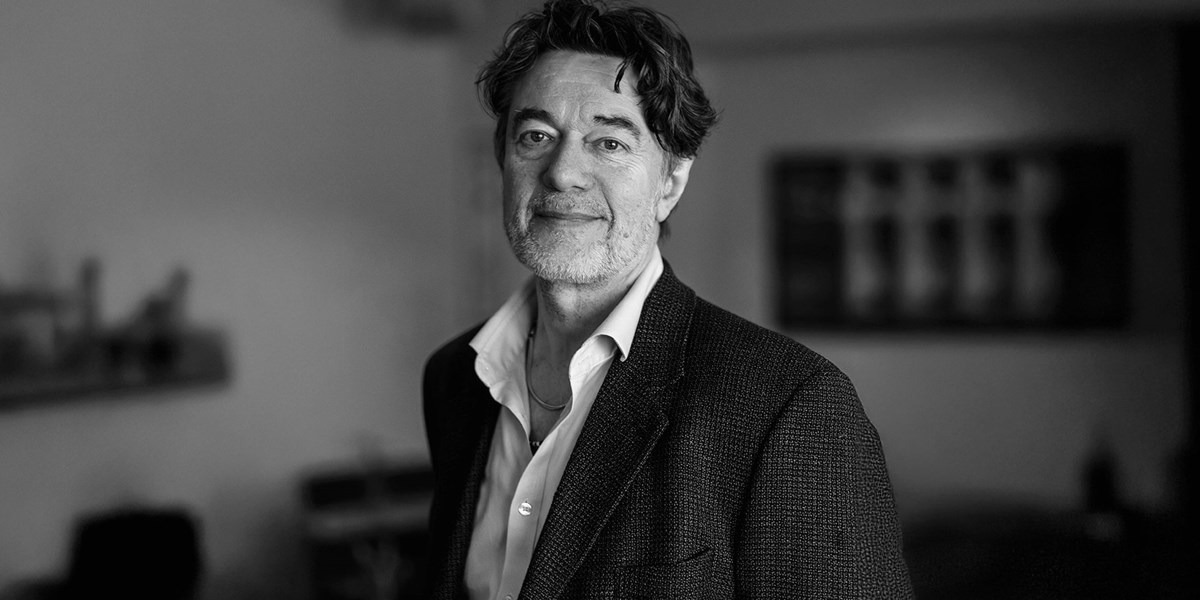
24/25.10.2026Abu Dhabi UAE
ARTIFICIAL INTELLIGENCE IN FILM & TV INDUSTRIES: CREATIVE MODULE WORKSHOP WITH MARTIN PERCY
This workshop is designed for Directors, Producers, Content Creators, Digital Artists, and filmmakers interested in exploring the cutting-edge intersection of artificial intelligence and filmmaking. The workshop is also suitable for traditional filmmakers curious about integrating AI tools into their existing workflows, as well as technologists interested in creative applications of AI. WORKSHOP LOCATION Abu Dhabi, United Arab Emirates The workshop will take place at NYU Abu Dhabi, our venue partner for this edition, and is organised by FEST FILM LAB in collaboration with NYUAD. Duration: 2 days 10:00 - 18:00 Dates: 24th - 25th of October 2026 Location: Abu Dhabi, UAE Price: AED 3,500 (€835) Early Bird: AED 2,300 (€550) until 10th of August Maximum number of participants: 25 Please add our address to your email safe senders list, address book or contact list to avoid FEST e-mails in spam. REGISTER FOR THIS WORKSHOP ON THE LINK BELOW By registering to the workshop you agree with FFL terms and Conditions
FEST FILM LAB is pleased to present the Abu Dhabi edition of the Artificial Intelligence in Film & TV Industries: Creative Module Workshop with Martin Percy, organised in collaboration with NYU Abu Dhabi.
For this edition, NYUAD will act as our venue partner, hosting the workshop on its Abu Dhabi campus and helping create the ideal setting for an intensive, practical and internationally oriented training experience. WORKSHOP DESCRIPTION
You’ve no doubt heard the claim that "A poet needs a pen, a painter a brush, and a filmmaker an army." Well, with the advent of AI-generated film, we’re approaching the time when a filmmaker just needs to sit at their computer and get access to AI to make their film. You may be able to “write” your entire film the way you can write a script - creating “performers”, action and location, alone with your computer. We’re not there yet - but this course will help you see where we are now. This intensive weekend workshop will take you through the complete pipeline of AI-assisted filmmaking, from initial concept to finished production. By the end of this course, you will have created your first pieces of AI-generated video and gained hands-on experience with the latest cutting-edge AI image and video tools currently available. Are AI tools perfect? No. Things which are easy to film - two people speaking in a room - can be very hard or impossible to do well in AI. By contrast, things that are very hard to film for real - a 19th century dock scene with working steam trains and tall sailing ships - can be done very easily in AI. You’re not making a film in five years’ time - you’re making a film now. So we will show you what you need to know now, warts and all. Do you need technical skills to participate? No. But it is helpful if you have some basic familiarity with using AI. We will focus on accessible tools that are easy to use for non-technical people, not complex systems requiring coding experience. You will have the chance not only to learn these cutting-edge techniques but also to interact in a very direct way, as the group will have up to 25 participants, making it highly practical and interactive. The workshop will be hands-on, with participants working on their own material throughout the weekend. Depending on the scale and complexity of your vision, you may not complete your short film by the end of the workshop, but you will have the knowledge you need to continue independently. WORKSHOP CURRICULUM PRE-WORKSHOP: SCRIPT DEVELOPMENT Two weeks before the in-person course, we conduct a 1-hour Zoom call exploring how to use an AI system for scriptwriting and development, including ways to shape the writing style and improve creative output. We’ll also look at successful AI films and current limitations to help you prepare your script in advance. FOUNDATIONS: PROMPTING AND IMAGE GENERATION Using an LLM to help generate advanced prompts for image creation. Fundamentals of creating compelling images from text. Understanding the strengths, limitations and quality-control issues of AI image generation. Considering your "shooting ratio" - how many images you may need to create to get the one you really want. CHARACTER CONSISTENCY AND VIDEO GENERATION Building character consistency across multiple angles and shots. Creating character libraries. Generating video from still images and text. Managing challenges with voice, continuity and performance control. Understanding video "shooting ratio" and costs. ENHANCEMENT AND POST-PRODUCTION Refining and improving AI-generated images and video. Making footage feel more realistic and production-ready. Preparing material for further video generation and editing. Understanding the critical importance of human oversight in the edit, and why AI systems still give imperfect results that need human judgement. FINISHING AND MUSIC Adding music and sound. Final editing and delivery considerations. ETHICS AND POLITICS: AI AS A HISTORICAL MILESTONE AI represents a major milestone in human history which will have a major impact on all our lives. AI films are very unpopular with some people - so if you describe yourself as an AI filmmaker, you will likely be challenged about AI ethics. We won’t push a particular viewpoint, but we will explore the key questions so you can articulate your own position on these issues. SUBSCRIPTIONS To get the most from this workshop, participants should be prepared to subscribe to suitable AI image and video services. We may also provide shared access to certain tools during the workshop where appropriate. ABOUT MARTIN PERCY Martin Percy is a British director celebrated for his pioneering work in interactive cinema, virtual reality, and the creative use of artificial intelligence in film. A graduate of King’s College, Cambridge, Percy has built a career defined by experimentation with new forms of storytelling that actively involve the audience, merging narrative, technology, and participation.
His breakthrough came with Lifesaver (2012), an interactive crisis simulator that won a Grand Clio Award, a Webby Award, and received a BAFTA nomination. The project, which featured Daisy Ridley in her first professional role, established Percy as a leading figure in interactive film. He later expanded this format with Heart Class (2019), which won an Emmy in the United States, and CardiacCrash (2023), a Canadian project that won three Webby Awards and was nominated for the Canadian Screen Awards.
Percy has collaborated with some of the most respected institutions in the world, including the Tate Modern, the British Film Institute, the National Theatre, and the Asian Art Museum of San Francisco. His projects have often brought together acclaimed actors such as Sir Ian McKellen, Sir Derek Jacobi, and Daisy Ridley, combining high-profile talent with cutting-edge interactive design. His VR project Virry VR (2017), filmed at Lewa Wildlife Conservancy in Kenya, received both BAFTA and Webby recognition and reinforced his reputation as a leading innovator in immersive media.
In recent years, Percy has increasingly integrated artificial intelligence into his practice, creating works that adapt to the user’s emotions, decisions, and interactions. Projects such as AI Basics: Thrills or Chills (2023) and the Adaptive-Media Interview Coach exemplify his commitment to exploring how AI can reshape creative expression and audience engagement. His TEDx talk, How to Save Lives with Interactive Film, highlighted his dedication to using new technologies not just for storytelling, but also for education and social impact. Throughout his career, Martin Percy has been recognised with a BAFTA, an Emmy, a Grand Clio, and more than a dozen Webby Awards. His work stands at the intersection of creativity and innovation, continually pushing the boundaries of how stories can be told and experienced.
PROFILE OF PARTICIPANTThis workshop is designed for Directors, Producers, Content Creators, Digital Artists, and filmmakers interested in exploring the cutting-edge intersection of artificial intelligence and filmmaking. The workshop is also suitable for traditional filmmakers curious about integrating AI tools into their existing workflows, as well as technologists interested in creative applications of AI. WORKSHOP LOCATION Abu Dhabi, United Arab Emirates The workshop will take place at NYU Abu Dhabi, our venue partner for this edition, and is organised by FEST FILM LAB in collaboration with NYUAD. Duration: 2 days 10:00 - 18:00 Dates: 24th - 25th of October 2026 Location: Abu Dhabi, UAE Price: AED 3,500 (€835) Early Bird: AED 2,300 (€550) until 10th of August Maximum number of participants: 25 Please add our address to your email safe senders list, address book or contact list to avoid FEST e-mails in spam. REGISTER FOR THIS WORKSHOP ON THE LINK BELOW By registering to the workshop you agree with FFL terms and Conditions
14/17.12.2026Online
FILM DIRECTING WORKSHOP WITH PETER WEBBER
ABOUT PETER WEBBER Peter Webber has had a diverse career as a director of film, television and documentaries including the critically renowned ˜Girl with a Pearl Earring™ and the HBO series "Six Feet Under". Peter is perhaps best known for his film directorial debut ˜Girl With a Pearl Earring", the film adaptation of Tracey Chevalier's bestselling novel. The film tells the story of the creation of the famous painting by Dutch master Johannes Vermeer of the same name. The film saw Peter directing Scarlett Johansson and Colin Firth as the films leads. Released in 2004 the film went on to be nominated for no less than 3 Academy Awards, 10 BAFTA nominations as well as numerous other honours. Webber was then tapped by Dino de Laurentis to direct "Hannibal Rising". Based on Thomas Harris upcoming new book of the same name, and starring Gaspard Ulliel, Li Gong and Anthony Hopkins, In 2012 Peter directed the Feature Film "Emperor", Starring Tommy Lee Jones, and Mathew Fox. Peter has also directed the Netflix Original Pickpockets (2018). His documentary work includes the award-winning environmental feature documentary Ten Billion (2015) and Earth: One Amazing Day (2017), narrated by Robert Redford and Jackie Chan. Webber's most recent productions include the "Kingdoms of Fire" (2019), television series, which takes viewers back to the past as the Ottoman Empire seeks to conquer Cairo, as well as the documentary "Inna de Yard" (2019), a portrait of the pioneers of reggae music in Jamaica Peter Weber's experience speaks for itself and guarantees the high standards our participants have come to expect from FEST FILM LAB. WORKSHOP DESCRIPTION Pete Webber's workshop will focus on a diversity of topics relating to the art of directing for film. You will have the chance to not only receive this knowledge from a very revered professional, but also to interact strongly, as the group will have up to 25 participants, making it extremely practical and interactive. You will also have the opportunity to assess the issues you encountered on your films, and receive the feedback to unblock situations in the future. The workshop will also cover the following: - THE ESSENCE OF THE CRAFT - Film History is your friend; Developing a hinterland; Auteur versus Industry – the realities of the business; DIY - low budget approaches; The writer/director conundrum; The genius myth; Understanding your abilities. - GETTING THERE - Looking at the steps before you go into production; The development process; Raising finance; Producers and writers; Hollywood versus Europe; Agents/managers/lawyers; The One Hour Meeting. - PREPPING - Aesthetic overview – the look and the story; Crewing up; Casting and auditioning; Location hunting; Rehearsing/working with actors before the shoot; Storyboarding; How to work with: Art department; Costume; Camera; Assistant directors; Planning for Digital VFX. - SHOOTING - The politics – picking your battles; The fear; Planning your day; Blocking the scene; Shotlists; Storyboards on set; Shooting strategy; Blocking the scene; The Master shot trap; The second unit. - POST PRODUCTION - Working with an editor; Digital VFX in post; Guide music; Working with a composer; Test screenings; ADR; Sound Design; Grading; The final sound mix; Test screenings. - INTO THE WORLD - Film Festivals; The Press; The Internet and Social Media. PROFILE OF PARTICIPANT The workshop designed for Directors, Film Students, and filmmakers serious about a career in the Film Business on the area of Film and TV Directing. WORKSHOP LOCATION The workshop will take place online, FEST FILM LAB has always been a project of high level knowledge sharing and networking. -The workshop group will have a limited number of 25 participants. - We will maintain the tailor made aspects, with the possibility of troubleshooting projects you have been involved or challenges you are facing. We will introduce new tools to enhance the interactivity between participants. - We have rearranged the session of the workshop that will take place on 4 days instead of the typical 2 days, so that the workshop is less overwhelming, as the typical two full days online would impact the capacities of the participants to retain the learning outcomes. 16 hours Duration: 4 days Dates: 14th to the 17th of December 2026 1PM - 5PM (London) 2PM - 6PM (Brussels) 5PM - 9PM (Dubai) 8AM - 12PM (New York) 5AM - 9AM (Los Angeles) 9PM - 1AM (Beijing) 6:30PM - 10:30PM (New Delhi) 10AM - 2PM (Rio de Janeiro) 12AM - 4AM (Sydney) Location: Online Price: 599EUR (374EUR with 35% Discount until the 7th of September) Maximum number of participants: 25 By registering to the workshop you agree with FFL terms and Conditions Please add our address to your email safe senders list, address book or contact list to avoid FEST e-mails in spam. REGISTER FOR THIS WORKSHOP ON THE LINK BELOW:

16/17.01.2027London UK
CHOREOGRAPHY AND MOVEMENT DIRECTION IN FILM WORKSHOP WITH FRANCESCA JAYNES
ABOUT FRANCESCA JAYNES Francesca Jaynes has been a Choreographer and Movement Director in the film industry for over 25 years. Her work is incredibly diverse, ranging from movement in “A.I. Artificial Intelligence” and “Gravity” to musical films such as “De-Lovely” and “Muppets Most Wanted”. She has worked with top directors on both sides of the Atlantic, including Mike Leigh, Steven Spielberg, Tim Burton, Joss Whedon, Ron Howard, Michael Winterbottom, and Mike Newell, and with a host of stars such as Judi Dench, Dustin Hoffman, Sandra Bullock, Andy Serkis, Christoph Waltz, Tina Fey, Jude Law, Keira Knightley, and Kevin Kline. Francesca has recently contributed to the Disney's adaptation of "Pinocchio," directed by Robert Zemeckis and starring Tom Hanks. She also lent her talents to Marvel Studios' "Black Widow," directed by Cate Shortland, working with Scarlett Johansson and Rachel Weisz. Additionally, she worked on Ridley Scott's "Napoleon," featuring Joaquin Phoenix and Vanessa Kirby, . In "Firebrand," directed by Karim Aïnouz and starring Jude Law and Alicia Vikander, She also recently contributed as a choreographer to the series "House of Dragon". In addition to a wide-ranging CV in film, she works regularly in the theatre in musicals, opera, and plays, and also in television drama. For a complete look at her career to date, please visit www.francescajaynes.com
WORKSHOP DESCRIPTION CHOREOGRAPHY AND MOVEMENT IN FILM Work in dance and movement in film can be an ever-changing and diverse experience. This is what makes it exciting! But it’s also what makes it extremely challenging. The top people in the industry have a vast range of skills (ballet, tap, historical dance, contemporary social dance, etc) and must always be ready to adapt and change to best serve their director and the film. Within this two-day exploration of the discipline, we’ll look at the complete process of working in dance/movement on a film production, from initial meetings with producers and directors, to casting, rehearsals, and ultimately filming. There are a host of details and elements that need to be considered at each stage of the process, in addition to the actual creation of the work. With discussions, Q and A’s, and practical ‘on your feet’ workshops, we’ll explore the myriad of fun and challenging scenarios that can present themselves on a variety of job assignments. Topics will include: Different approaches for different films, Genres, and directors; How does the dance/movement fit into the narrative of the film and/or scene; Relationships with other departments (Directors, Assistant Directors, Costume Departments, Sound Departments, Art and Props Departments); Practical sessions in creating and filming the work (historical dance, etc); Actors, dancers, and Muppets - working with differing levels of skills, abilities, and comfort zones. PROFILE OF PARTICIPANT The workshop designed for, choreographers, dancers, Actors, and Directors, who can directly benefit from the knowledge and know how presented on this workshop. The workshop is also suited to different profiles, such as cinematographers, Art Directors, who will directly work with Choreographers and Movement Directors, and can improve their work by knowing how to interact with this department in a more effective way. The workshop is also suitable for filmmakers interested in establishing in Film Business on the area of Choreography and Movement Direction.
LOCATION OF THE WORKSHOP London UK 16 hours Duration: 2 days Dates: 16-17 January 2027 Location: London, UK Price: 599GBP (399GBP until 16th of September) Maximum number of participants: 25 By registering to the workshop you agree with FFL terms and Conditions Please add our address to your email safe senders list, address book or contact list to avoid FEST e-mails in spam. REGISTER FOR THIS WORKSHOP ON THE LINK BELOW:
-modified.png)
16/17.01.2027London UK
TECHNIQUES FOR DIRECTING NON-ACTORS WORKSHOP
WORKSHOP DESCRIPTION Techniques for directing non-actors: Singular Drama Throughout the two-day practical workshop, participants will learn and experience the technique that Scandar uses during the preparations of his actors and non actors as well as during the shooting. Participants will get hands-on insight into the process of creating drama in a film using the human capacity to respond emotionally to fictional situations. The Singular Drama method is applicable on professional actors as well as non-actors. Filmmakers often use the element of surprise to direct actors for certain scenes to get authentic emotional responses. The directors of AJAMI based their film entirely on this principle. Unlike other forays into improvisation, AJAMI had a very precise screenplay and a well-constructed plot that demanded specific emotional responses from its actors. The actors ended up acting out a story, without being aware that they were being directed according to a pre-written script. The film is a work of fiction which shows “real” people acting in situations that are orchestrated by the directors, but very “real” to the performers, resulting in the actors projecting emotions on camera that they actually experienced at the time. This was achieved over specialized workshops, in which the actors were brought to each character’s emotional and psychological state as written in the script. Workshop learning objectives: 1. Participants will learn techniques to liberate their non-actors from the fear of the camera. 2. Participants will learn how to prepare their actors/non-actors for filming. 3. Participants will learn and experiment with improvisation techniques. 4. Participants will experience the method as actors in order to get a better understanding of the involved processes. 5. Participants will get insights on pre-production, production and shooting techniques when applying the method. 6. Participants will learn how to direct actors and non-actors using the Singular Drama method. Participants are encouraged to bring scenes they would like to direct. ABOUT SCANDAR COPTI Scandar Copti is a Palestinian Oscar-nominated director, screenwriter and visual artist, known for his distinctive approach to working with non-professional actors. His debut feature film, Ajami (2009), won the Camera d'Or Special Mention at the Cannes Film Festival and was nominated for Best Foreign Language Film at the 82nd Academy Awards. The film received more than 15 international awards. His second feature film, Happy Holidays (2024), had its world premiere in the Orizzonti Competition at the 81st Venice International Film Festival, where Copti won the Orizzonti Award for Best Screenplay. It went on to receive major international recognition, winning the Golden Alexander – Theo Angelopoulos Award for Best Film at the Thessaloniki International Film Festival and the Étoile d'Or for Best Film at the Marrakech International Film Festival, where Manar Shehab and Wafaa Aoun also jointly received the Best Actress Award. In 2025, Happy Holidays received the Aurora Award for Best Film at the Tromsø International Film Festival and a Special Mention for the Bridging the Borders Award at the Palm Springs International Film Festival. Beyond his feature films, Copti has written, directed and edited fiction, documentary and experimental works. His video art projects have been exhibited internationally at venues including the Herzliya Museum, the Nachum Gutman Museum, NYU Abu Dhabi Gallery, b_tour Foothold Festival, Beit Ha'Gefen and Oslo Kunstforening, among others. Copti has served on the juries of numerous international film festivals and film organisations, including the Tribeca Film Festival, Thessaloniki International Film Festival, FEST and the Arab Fund for Arts and Culture (AFAC). In 2011, he served as President of the Human Rights Award jury at the Istanbul International Film Festival. He was also part of the team that launched the Doha Film Institute (DFI), where he headed the Education Department until 2011, contributing to the development of filmmaking education and emerging talent in the region. Alongside his filmmaking practice, Copti has developed a distinctive methodology for working with non-professional actors, an approach central to both Ajami and Happy Holidays. His work explores the relationship between performance, character, social structures and lived experience, and this methodology has become an important part of his teaching and filmmaking practice. PROFILE OF PARTICIPANT The workshop is designed to Directors, 1st AD, Producers, and filmmakers interested in developing the skill of directing non actors. LOCATION OF THE WORKSHOP London UK 16 hours Dates: 16th-17th of January 2027 Location: London UK Price: 599.99 GBP (399GBP Until the 9th of September) Vacancies: 25 By registering to the workshop you agree with FFL terms and Conditions Please add our address to your email safe senders list, address book or contact list to avoid FEST e-mails in spam. REGISTER FOR THIS WORKSHOP ON THE LINK BELOW:

24/25.04.2027Madrid, Spain
CINEMATOGRAPHY WORKSHOP WITH PHILIPPE ROUSSELOT
Visual Language, Light & the Art of Cinematic Presence
Registrations opening soon
ABOUT PHILIPPE ROUSSELOT
Philippe Rousselot, ASC, AFC is an Academy Award winning cinematographer, BAFTA winner, three-time César Award winner, and one of the most significant cinematographers in contemporary cinema. Across a career spanning more than five decades, he has helped shape the visual identity of landmark films,
Early in his career, he worked as an assistant to the legendary cinematographer Néstor Almendros on films directed by Éric Rohmer, including My Night at Maud’s, Claire’s Knee, and Chloe in the Afternoon. Rousselot’s work quickly expanded into major international cinema. He photographed John Boorman’s Hope and Glory, earning an Academy Award nomination for Best Cinematography and winning the British Society of Cinematographers Award. The film itself became one of the most acclaimed British films of the period, receiving multiple Academy Award nominations including Best Picture, Best Director, Best Original Screenplay, and Best Cinematography.
His collaboration with Stephen Frears on Dangerous Liaisons further consolidated his standing as one of the leading cinematographers of his generation. The film was nominated for seven Academy Awards. Rousselot’s cinematography was nominated by the American Society of Cinematographers, and he also received a BAFTA nomination for Best Cinematography for the film. In 1990, Rousselot received another Oscar nomination for Best Cinematography for Philip Kaufman’s Henry & June, before winning the Oscar for Best Cinematography for Robert Redford’s A River Runs Through It.
His work with Neil Jordan on Interview with the Vampire remains one of the most visually memorable achievements in modern gothic cinema. Rousselot won the BAFTA Award for Best Cinematography for the film, as well as a British Society of Cinematographers Award, demonstrating his extraordinary ability to combine atmosphere, spectacle, darkness, and emotional presence.
Throughout the 1990s and 2000s, Rousselot continued to move between European auteur cinema and major international productions. He photographed Patrice Chéreau’s La Reine Margot, for which he won his third César Award for Best Cinematography; Miloš Forman’s The People vs. Larry Flynt; Neil Jordan’s The Miracle and The Brave One; and Stephen Frears’ Mary Reilly; Sydney Pollack’s Random Hearts. His filmography shows a remarkable breadth of collaboration across directors, genres, countries, and production scales.
With Tim Burton, he photographed Planet of the Apes, Big Fish, and Charlie and the Chocolate Factory, contributing to some of Burton’s visually imaginative productions. He later worked with Guy Ritchie on Sherlock Holmes and Sherlock Holmes: A Game of Shadows, and with David Yates on Fantastic Beasts and Where to Find Them and Fantastic Beasts: The Crimes of Grindelwald.
Over the course of his career, Rousselot has worked with filmmakers including Robert Redford, Tim Burton, Guy Ritchie, Stephen Frears, Patrice Chéreau, Neil Jordan, Shane Black, Miloš Forman, David Yates, Denzel Washington, John Boorman, Jean-Jacques Annaud, Jean-Jacques Beineix, Philip Kaufman, and Sydney Pollack.
He is known for developing and refining expressive soft-light techniques, including the use of Chinese lanterns mounted on booms to create a moving, naturalistic source that follows actors. His work has influenced how filmmakers think about colour, atmosphere, period light, actor-centred lighting, fantasy worlds, and visual storytelling across radically different cinematic contexts.
WORKSHOP DESCRIPTION
CINEMATOGRAPHY WORKSHOP WITH PHILIPPE ROUSSELOT
Visual Language, Light & the Art of Cinematic Presence
OVERVIEW
This two-day intensive workshop with Academy Award–winning cinematographer Philippe Rousselot explores cinematography as a language. Rather than a technical masterclass, the workshop focuses on decision-making: why we light the way we do, why we move the camera, why we choose restraint or boldness and how visual choices serve story, performance and atmosphere.
Philippe will examine the evolution of his visual thinking across different genres, directors and production scales.
DAY 1 – SEEING, CHOOSING, COMPOSING
SESSION 1 – The Cinematographer’s Eye
Topics that may be explored:
How does a cinematographer “see” a script?
Translating emotion into visual strategy
When to intervene, when to step back
Trusting instinct vs. overplanning
The relationship between light and narrative tone
Discussion of early career evolution and visual identity formation.
SESSION 2 – Case Study Block I
Visual Tone & Atmosphere
Exploration themes:
Creating atmosphere without excess
Naturalism vs stylisation
Working with candlelight and period lighting
Balancing romanticism with realism
Texture, shadow, restraint
Visual breakdown of selected scenes.
SESSION 3 – Collaboration with Directors
Topics:
The first conversation with a director
Establishing a shared visual language
Navigating disagreement
Working with strong visual auteurs
Adapting to different directing personalities
Discussion of how visual strategy shifts depending on directorial temperament.
SESSION 4 – Light as Emotional Architecture
Deep dive into:
Shaping faces
Controlling contrast
Sculpting space
Light and psychological depth
Simplicity vs complexity in lighting setups
Discussion of working with natural light vs fully controlled sets.
DAY 2 – MOVEMENT, RISK & EVOLUTION
SESSION 5 – Camera Movement & Rhythm
Topics:
When should the camera move?
Movement as emotional punctuation
Invisible camera vs expressive camera
Long takes vs fragmentation
Working with actors in motion
SESSION 6 – Scale & Adaptability
How cinematography changes across:
Intimate drama
Large studio productions
Action-driven narratives
Fantasy and heightened realities
Discussion of working within:
Budget constraints
Studio expectations
Evolving digital technologies
SESSION 7 – The Evolution of Cinematography
Topics:
From film to digital
What has changed — and what has not
Modern tools vs timeless principles
The danger of over-technical thinking
Maintaining artistic integrity in contemporary cinema
Open reflection on the industry’s visual evolution.
PROFILE OF PARTICIPANT
The workshop is designed for cinematographers, directors, camera operators, film students, visual artists, photographers, and filmmakers who want to deepen their understanding of cinematography as a creative and narrative language.
It is particularly suited for professionals interested in visual storytelling, lighting, composition, camera movement, collaboration with directors, and the relationship between image, atmosphere, performance and emotion.
WORKSHOP LOCATION
Madrid, Spain
Duration: 2 days
10:00 - 18:00
Dates: 24th - 25th of April 2027
Location: Madrid, Spain
Price: 599EUR (429EUR Until 13th of August)
Maximum number of participants: 25
By registering to the workshop you agree with FFL terms and Conditions
Please add our address to your email safe senders list, address book or contact list to avoid FEST e-mails in spam.
REGISTER FOR THIS WORKSHOP ON THE LINK BELOW